Selling agricultural property to a developer can change a landowner’s perspective from acres of potential to dollars in their pocket. However, there are subtleties landowners must pay attention to when completing this. From evaluating potential negotiating terms to the legal intricacies involved, each component must be handled with detail, precision, and strategy. This document will outline the strategies, guiding frameworks, and key components that can be used to optimize the value of your land and simplify the selling process. The better you understand how to attract interest from developers, the more offers you will receive commensurate with your expectations. For more detailed assistance, the Atlas Land Buyers team can support you in each aspect of the land-selling process.
Brief Overview
Collaborating with developers to sell your agricultural land now provides the opportunity to maximize your property’s worth and aligns with your future objectives. Knowing market dynamics, the law, and negotiation strategies is vital. Working with developers and conditional contracts is the best way to streamline the transaction. When the land is fully compliant with zoning and environmental regulations, developers will find it even more attractive. With the right expert team and land prep, you can sell your land for immediate and future monetary gain. To see what is possible for your land, reach out to investor land buyers in Texas and the surrounding areas.
Key Highlights
- Strategic location and market research are crucial before selling agricultural land to developers.
- Enhancing the land’s appeal through improvements and understanding zoning laws increases its attractiveness.
- Conditional contracts and legal considerations are vital for a seamless land sale process.
- Direct engagement with developers offers quicker transactions and potential for joint ventures.
- Understanding market demand and employing strategic marketing can effectively attract developers.
Understanding the Basics of Selling Agricultural Land
The process of selling agricultural land is usually complicated, but it doesn’t have to be if one is well-versed in the process. Things like understanding the current market value of your land and knowing the details of the existing zoning laws and planning permission should be taken into consideration. Understanding the characteristics of landowners, developers, and sellers will prepare you for the roles of each and will help you have a successful land sale. This guide will help you understand the components of land deals, help you understand the components of land deals, land investing, and trends in the real estate market.
Key Factors to Consider Before Selling Land
There are a number of things to take into account before selling any land, particularly if it is agricultural land. For example, proximity to developing areas yields a greater demand from developers and, therefore, a greater selling price. Find out your area’s zoning and pricing, and what restrictions or permissions are placed on developing your land. These will change the price and how fast the land may sell.
The other important consideration to take into account is the finances of the land sale. Understand the potential and what tax liabilities come with it prior to selling, including capital gains taxes and transactional costs associated with selling. Financial advisors, developers, and land experts are good to consult with to gain a better understanding of and value for your problem. Selling the land at the height of market demand or entering collaborations with developers will ensure the highest value is received on the land.
How to Learn About Market Demand and Location Value
When selling agricultural land, it is important to understand the market demand and the value of your location. Begin your research by observing the local real estate trends and construction activities to understand the market demand. Potential gross revenues, land valuation, and market reports are good resources. Other resources include construction plans for roads, commercial buildings, recreational buildings, and related structures. The closer the land is to cities, commercial areas, or developed residential areas, the higher the potential demand and profit.
Assess the employment opportunities, presence of recreational resources, and the potential for residential growth, and form an opinion on the market. Consider the residential and employment growth of the community in the area, and make a judgment on the potential demand. Position your land to the market by zoning and using the land and pricing it under the guidance of real estate professionals, land valuators, or planners. When market demand and location value are correctly assessed, landowners attract developers and sell the land at a good price.
| Key Factors | Considerations | Impacts |
|---|---|---|
| Market Demand | Evaluate current market trends and buyer interest | Higher demand can lead to quicker sales and better pricing |
| Strategic Location | Accessibility to major roads and proximity to urban areas | Enhances property value and buyer appeal |
| Soil Quality | Analyze soil fertility and suitability for crops | Increases attractiveness for agricultural buyers |
| Zoning Regulations | Understand local zoning laws and restrictions | Determines permissible development and usage |
This table highlights market demand and strategic location factors that affect agricultural land sales.
Preparing Your Land for Sale
In order to maximize the sale potential of your agricultural land, it is important to not only prepare the land’s potential but also prepare it from a developer’s point of view. This includes everything from land value enhancement to environmental regulation compliance, as there are many things to consider when trying to attract such interested developers. Understanding the many different ways to make your land more marketable while also dealing with the complex land regulation subissues will help you attract developers and land sale deals. This section will focus on strategies for improving land value and legal and environmental compliance. For specialized assistance, collaborate with a company that buys homes in Dallas, TX, and neighboring cities to streamline the sale of your land.
Steps to Enhance Land Value for Developers
Making improvements to agricultural land for developers is a process that is very involved and needs an understanding of the market. Begin with landscaping and functional improvements to the land. Opening up the land by clearing vegetation, leveling any uneven ground, and making the land easily accessible to roads and traffic will improve the land. Improving the land’s utilities and clearly marking the land’s boundaries will help to reduce the developer’s potential costs and will help to simplify the legal process. Mentioning the agricultural potential of the land or describing alternate uses will help to market the land to a wider range of potential buyers.
Understanding the current market is of equal importance. Look for construction in the area, land use planning, and any accessible zoning changes. If zoning for multi-use or residential is likely, take note of that. Land development consultants can help you understand and navigate the areas of interest. The more changes you make to the land, the more easily you will be able to sell it. Developers want to purchase land in order to construct whatever will be beneficial for them. Land development consultants can help border the improvements on the land in order to increase the interest from developers.
Ensuring Compliance with Environmental and Regulatory Requirements
When selling land to developers, environmental and regulatory compliance is crucial. Doing your homework will help you confirm compliance with federal and local environmental legislation, zoning laws, planning permissions, and any other legally binding authorities that govern land use and development. Consulting with land and environmental attorneys will help you navigate the complexities, mitigate the risks, and prepare the required assessments to help the sale go through without a hitch.
From a legal standpoint, the addition of some environmentally conscious practices will likely enhance the attractiveness of the land and help to further sell the concept of development. Demonstrating environmental responsibility, as surveys prove that land is not contaminated, saving green belts, and supplying other green spaces will go a long way toward meeting end-use expectations for development. Planning authorities and other developers will likely be more positively disposed and focused on land with a greater, sustained, environmentally responsible ethic. Keeping yourself and your land legally compliant and environmentally responsible, and planning for the future, will help position your land for a safe and valuable sale to developers.
The Role of Conditional Contracts in Land Sales
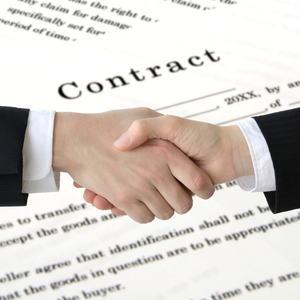
The use of conditional contracts in the selling of land is of great importance because of the specialized arrangements that these contracts provide for the transactions that occur between landowners and developers. The ways in which these contracts influence the sale and the legal issues involved in this process can be of considerable value. This section explains the impact of conditional contracts on the sale of land and assists you in navigating the legal issues involved in selling land so that the process can be completed in such a way that both parties benefit to the greatest extent possible.
How Conditional Contracts Affect the Land Sale Process
Before a transaction goes through, a land sale contract will always incorporate terms that stipulate what a seller must do/may not do in order for the sale to go through. These terms establish vertical and horizontal boundaries and, to a degree, protect a seller. Zoning, financial, and other requirements will lessen the reframification, while the rest of the obligations will provide everyone with a hurdle to jump through in order to provide fog for the whole owning lack of equilibrium.
For a seller, the majority of the risk is on the seller’s end throughout the majority of the contract terms, allowing a seller to control the contract until legally binding development approvals are in place. The developer is given an extended period to complete a comprehensive assessment of the project. The aiding of contract professionals in negotiation leads to better-structured terms of the agreements in compliance with the law and with the market. All in all, contracts help in safe, smooth, and to-the-point sales of future developments of land.
Navigating Legal Considerations in Selling Land
Legal requirements for selling land to developers must be understood and navigated to ensure the sale proceeds successfully. Land ownership has to be verified, and land disputes, erroneous liens, and adverse zoning regulations, as well as the pertinent environmental laws and development approvals, have to be based on due diligence. Most of the time, these legal issues most often affect how much the land is worth and how much can be done to it. Legal experts can help address the issues of zoning, development laws, and environmental regulations to avoid time- and money-wasting issues that can come up in the future.
The legal requirements when selling land also extend to the negotiation of the terms of land transfer. Land-selling real estate firms can assist and provide guidance on the legal and tax implications of the contracts as well as the permits and approvals that will need to be obtained. If the legal requirements are taken care of, it will be easier to maintain the seller’s end of the bargain, and the developer will be more assured of the land, and the sale will be successful.
To sell your land smoothly, you must address legal issues. Here are some practical seller steps:
- Conduct a Title Search: Verify the legal ownership and identify any liens or encumbrances that could affect the sale.
- Review Local Zoning Laws: Understand how the land can be used according to current zoning regulations to set clear expectations for potential buyers.
- Clear Any Liens or Encumbrances: Resolve outstanding debts or restrictions that may complicate the sale process.
- Obtain Necessary Permits and Approvals: Ensure that all required legal permits, such as subdivision approvals, are in place before proceeding with the sale.
- Settle Boundary Disputes: If there are any discrepancies with neighboring properties, work on resolving these issues before listing the land.
- Create a Thorough Land Disclosure Statement: Provide potential buyers with a detailed disclosure of the land’s condition and any relevant structural or environmental concerns.
- Seek Legal Advice from a Specialized Attorney: Engage with a legal professional specializing in land transactions to guide you through the complexities of the sale.
By following these steps, sellers can navigate the legal landscape more efficiently, paving the way for a successful land sale.
Finding and Attracting the Right Developers
In the case of successfully selling agricultural land, this involves getting the right developers to understand the potential of your property. With the right approaches and strategies coupled with an understanding of the advantages of direct collaboration with developers, land sellers may be able to maximize their potential. Understanding how to connect with developers with an interest in agricultural property and understanding the benefits of collaborating with them directly are fundamental in selling land. In this case, we will look at the benefits of working directly with developers and the strategies of engagement while avoiding the middlemen for a more efficient and profitable process.
Strategies for Engaging Developers Interested in Agricultural Property
With agricultural land, you need to put in the effort to engage developers, and you need to plan out how to present the land to them. If you’re looking for agricultural land, look for trade publications, social media, and online real estate sites. When you do this, you need to include key phrases such as “agricultural land” and “development potential.” When you do this, you increase the chances of agricultural developers finding your land. When you give them site visits, developers look at your land and inspect the layout. During these visits, developers can visualize their projects and pose questions about your property. This increases your chances of selling your land to them.
Contacting your target developers is also vital. Industry conferences and local land developer conferences will help you get your target developers and land consultants. Land developer conferences help you get your target developer, while developer conferences will increase your chances of getting them. Including flexible agreements such as seller financing, along with seller-friendly contracts, will get your target developers to negotiate the land. These strategies will help you sell land to developers quickly.
Benefits of Working Directly with a Developer
There are several advantages to selling agricultural land to a developer, which can improve the process and the seller’s financial return. Selling directly allows positional developers to make transparent negotiations and form a deal with the seller based on the land’s best potential. No middleman means no delays and a faster overall process. Direct sales are often faster compared to doing it through listing and allow the seller to take advantage of a rapidly changing market.
Lastly, sellers gain valuable insights and relationships and identify useful development opportunities with developers more so than through a middleman. These relationships can be useful and financially beneficial when considering future land holdings. Direct dealing with a developer really pays off. A seller may be considering profit sharing or a joint venture, which could be valuable to the seller.
Selling agricultural land to a developer can boost its value for future projects. By understanding market demands and using professional advice, you ensure a smooth, profitable transaction. Careful land evaluation and strategic negotiations can lead to successful sales, whether you’re selling now or planning for the future. Do your research, negotiate wisely, and contact Atlas Land Buyers to ensure a smooth selling process and make the best decision for your financial goals.
Do you need to sell your agricultural land? Sell quickly, avoid complicated negotiations, and enjoy a hassle-free process. Atlas Land Buyers is here to help. We provide fair cash offers, manage all the details, and make selling your land seamless. Ready to sell or have questions? Call us at (469) 564-8540 for a no-obligation offer. Get started today!
FAQs
When selling agricultural land to developers, what should be considered?
Before selling agricultural land, consider its strategic location, zoning laws, market demand, and improvement potential. Understanding these factors aids pricing and negotiations.
How can improving land appeal to developers?
Enhancing land appeal requires landscaping, utility access, and zoning compliance. These improvements reduce setup costs and align with development goals, making them more appealing to developers.
Why are conditional contracts important in land sales?
Conditional contracts require certain conditions before selling. They reduce risks and ensure smooth transactions by ensuring sellers and developers follow the conditions.
Why does selling land require market demand knowledge?
Understanding market demand helps find buyers and set competitive prices. Real estate trends and regional growth plans are analyzed to ensure the land sale matches developer interests and market expansions. Understanding market demand helps find buyers and set competitive prices. Real estate trends and regional growth plans are analyzed to ensure the land sale matches developer interests and market expansions.
Working directly with developers to sell agricultural land has what advantages?
Working directly with developers allows for personalized negotiations, faster transactions, and joint ventures. This approach ensures mutual understanding and may improve financial outcomes through direct collaboration.