![Average Time To Sell Land [market_city]](https://image-cdn.carrot.com/eyJidWNrZXQiOiJwcm9kdWN0aW9uLmNhcnJvdC11cGxvYWRzLm9uY2Fycm90LmNvbSIsImtleSI6InVwbG9hZHMvc2l0ZXMvNzg3NDQvMjAyNi8wNy9BdmVyYWdlLVRpbWUtVG8tU2VsbC1BLUhvdXNlLnBuZyIsImVkaXRzIjp7InJlc2l6ZSI6eyJ3aWR0aCI6MTE1Mn0sInRvRm9ybWF0Ijoid2VicCIsIndlYnAiOnsicXVhbGl0eSI6NzB9fX0=)

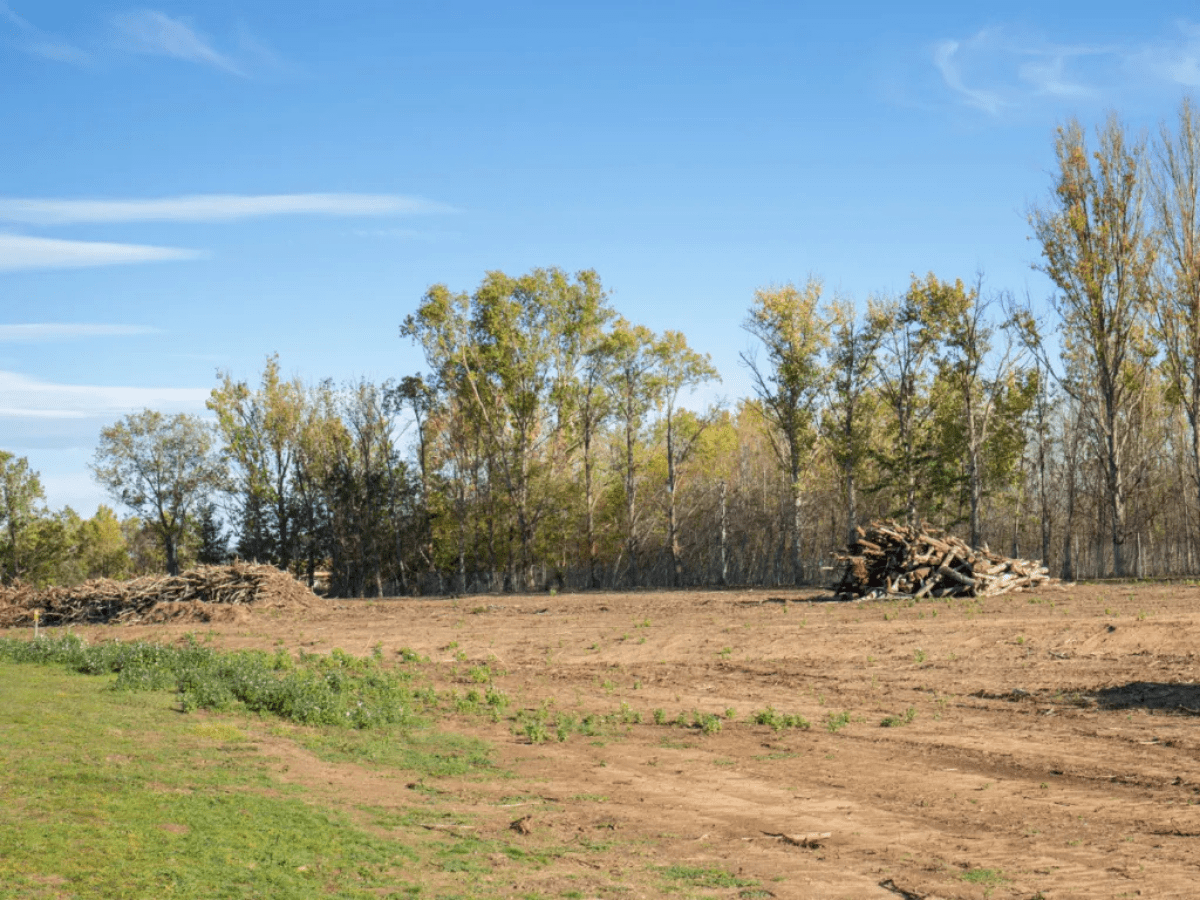
Vacant land sat on the market for nearly two years before the seller finally called me. She’d inherited a few acres from her father, priced it based on what the neighbor’s lot “went for,” and waited. No offers, not even a tire-kicker. Selling land operates by its own rules, and most sellers don’t find that out until they’re already deep into the wait. Understanding what actually drives the timeline is the difference between watching your property sit and getting it sold.
How Long Does It Take to Sell Land?
Sit down across from me at the kitchen table, and here’s what I’d tell you straight: plan for longer than you think, and build your timeline around method, not optimism. Most landowners expect vacant land to sell like a house, but the two markets operate very differently. Setting realistic expectations from the beginning helps you avoid frustration and make better decisions throughout the selling process.
Selling vacant land typically takes six to twelve months, and often longer. Compared with selling a home, land sales usually move more slowly because the buyer pool is smaller, financing is harder to secure, and buyers often need more time for due diligence on zoning, utilities, access, and permitting. Remote or landlocked parcels can take 18 months or more. Properties with title issues or that are landlocked can take 18 to 36 months or longer. This is not a worst case; it’s a documented pattern.
The selling method is the biggest lever. Going with a real estate agent and listing on the MLS gives you maximum exposure, but still lands you in that six-to-twelve-month window on average. Going directly to a cash buyer or a company compresses that timeline sharply. Cash sales can close in a matter of weeks, though the trade-off is a lower offer than you’d net on the open market (sometimes 70-80 cents on the dollar). Neither path is wrong; the right one depends on whether your priority is top price or speed.
If speed and simplicity matter more than maximizing every dollar, Atlas Land Buyers buys land for cash in any condition and can often make a fair cash offer without the delays of traditional financing or the lengthy marketing process.
What Factors Affect How Much Your Land Is Worth?
Raw acreage doesn’t come with a built-in price tag the way a three-bedroom house does. In Texas, the average value of rural land is around $5,200 to $5,250 per acre, though actual prices vary dramatically depending on location, road frontage, utilities, zoning, and development potential. An acre near Austin, Dallas, or Houston can sell for many times more than a similar parcel in rural West Texas.
Zoning drives a lot of that gap. A parcel zoned for residential development near a growing suburb is worth far more than an identical acreage sitting in an agricultural zone with no road access. Utility access does the same work. A lot with water, sewer, and electric at the curb is a ready-to-build product; a lot without those services is a project, and buyers price it that way. Documented water rights and proximity to utilities can matter more than raw acreage size in determining land value, particularly in markets where infrastructure is constrained (and constrained is more common than sellers expect).
Topography matters too. Flat, cleared land helps buyers visualize the use case. Steep slopes, wetlands, or floodplain designations shrink the buildable footprint, and that shrinks the price they’re willing to pay. Comparable sales, not active listings, tell you what the market actually thinks. What’s listed is wishful thinking; what’s closed is data. Appraisals from a land-specific appraiser give you a defensible number, and that number matters when buyers come to the negotiating table. Have you pulled recent closed sales for parcels within a few miles of yours? If you haven’t, start there.
How to Price Land Accurately Before Listing

A seller I worked with last winter inherited a five-acre parcel in Texas. Her siblings wanted out fast. She priced it at what she felt the family deserved, not what the local Texas land market could support, and the property sat for eight months before she lowered the price and found a buyer in six weeks.
Overpricing is the single most reliable way to extend your time on the market. Overpricing is one of the fastest ways to turn a six-month sale into a twelve-month listing. Buyers who shop for land aggressively walk quickly when a price doesn’t match what comparable parcels have sold for. Pull the last 12 to 24 months of closed sales for similar acreage, same county or zip code, same zoning, and comparable road access. That’s your ceiling. Pricing at or just under it signals to buyers that you’ve done the homework and aren’t playing games.
Price per acre also drops as parcel size increases: a single acre in rural Texas might fetch $6,000 to $12,000 per acre, while a 100-acre tract in the same area might sell for $3,000 to $6,000 per acre. Sellers sometimes treat these numbers interchangeably, overpricing smaller lots or underpricing larger ones, leaving the listing to sit while comparable properties close. Knowing how to price land correctly means comparing your property with similar parcels based on acreage, location, access, utilities, topography, and development potential. Separate those calculations rather than applying one price-per-acre figure across every property. A land-specific real estate agent or certified appraiser can help you arrive at a number that attracts buyers rather than leaving the property sitting on the market.
If you’d rather avoid the uncertainty of pricing and waiting for the right buyer, contact us for a fair, no-obligation cash offer. We’ll evaluate your property and help you sell on a timeline that works for you.
How to Prepare Land for Sale to Attract Serious Buyers
Sellers often clean up the property, post a sign at the road, and wait for calls. Even the best parcel can sit unnoticed if the right buyers never know it’s available. The sign on the road reaches maybe a dozen people a week who happen to drive by. This is not a marketing strategy.
Buyers discover land online first. Most land discovery starts online, and a listing that reads like a detailed product page, with clear and scannable details, reduces buyer uncertainty and speeds up decision-making. This means uploading boundary maps, a recent survey, GPS coordinates, aerial photos, soil information, and zoning documentation directly to the listing. Buyers who have to ask for basic information frequently don’t ask at all; they just move to the next property (and you never hear from them again).
Physical access matters on the ground as well. Overgrown corners and washed-out entry points make buyers nervous about what else might be wrong. A few hundred dollars spent clearing brush, marking corners, and grading the entrance communicates that the property is maintained and ready. If utilities are nearby but not connected, note the distance and the estimated cost to connect. This removes a major uncertainty for buyers weighing development costs.
The Hernandez family, who inherited a property in Austin, Texas, packed with 30 years of belongings and with siblings who wanted a quick resolution, had exactly this problem: the garage full of old equipment led buyers to assume the land had environmental liabilities. Once they cleared it on a Saturday (a single afternoon of work), buyer inquiries picked up within two weeks.
What Documents Do You Need to Sell Land?

Missing or unclear paperwork kills a sale at the worst possible moment, typically after a buyer has already been waiting 30 to 45 days and their patience has run out. At a minimum, pull together the current deed showing clear ownership, the most recent property tax records confirming there are no delinquent taxes, any existing survey, title insurance documentation if it exists, and the official zoning classification from the county. If the land was inherited, you may also need probate documentation or a recorded affidavit of heirship before any sale can close.
Title companies and real estate attorneys will ask for all of this upfront, so getting organized before you list saves everyone a headache later. Having it ready means escrow moves faster. Missing it means escrow stalls while the buyer reconsiders. Easements are another area sellers overlook. Access easements, utility easements, or conservation restrictions can limit what a buyer can do with the land, and buyers have a right to know before they go under contract. Get them disclosed early, and you preserve trust.
Hiding them or forgetting to mention them is how sellers end up in disputes after closing. Zoning constraints, easements, access limitations, floodplain or wetlands issues, and irregular parcel shapes can reduce buildable area and weaken negotiating leverage. An attorney review of the title early in the process is worth every dollar.
Who Buys Vacant Land and How to Reach Them
One landowner I worked with had been listed on a general real estate platform for 4 months with no movement. We shifted the listing to land-specific marketplaces and contacted three local developers directly. Two offers came in within the first three weeks.
Land buyers are usually searching for a very specific use: building, investing, farming, recreation, or holding for appreciation. This narrows the pool of demand and extends the time it takes to find the right match. Reaching them means putting your property where they actually shop. Platforms like Land.com, LandWatch, and Lands of America serve buyers who are actively searching for parcels (intent-driven, not casual browsers); a general residential listing site reaches mostly homebuyers who aren’t even thinking about raw land.
Direct outreach to local builders, developers, and agricultural buyers can move even faster. Many investors and contractors track off-market properties through their networks, and a well-placed email or phone call to a builder active in your county can surface a buyer before you’ve spent a dollar on marketing. Texas cash buyers and land investment companies also represent a reliable segment of this buyer pool, particularly for sellers who want speed and certainty over top-dollar retail pricing.
Does Seller Financing Help Land Sell Faster?

For years, I passed on seller financing because I thought it added complexity and risk without enough upside. That was wrong. Because vacant land financing is limited, owner financing can meaningfully expand your buyer pool. Banks are reluctant lenders on raw land. When they do offer loans, the terms are restrictive: buyers should expect a bank or seller to require a down payment of 20 to 25 percent on vacant land mortgages (sometimes higher on rural parcels). This eliminates a large share of otherwise qualified buyers who can’t bring that much cash to closing.
Offering seller financing, even on a portion of the purchase price, opens the door to buyers who have a legitimate use for the land but can’t clear a bank’s underwriting hurdles. You set the interest rate, the down payment requirement, the repayment term, and any balloon payment structure.
Done through a title company or real estate attorney with proper promissory notes and deed of trust documentation, it’s a manageable structure that often shortens your days on market and can generate above-list-price returns over the life of the loan. The trade-off is that you don’t receive the full sale price at closing, which is a real cost worth weighing against the speed and pricing benefits, so I’d run both scenarios on paper before deciding.
How a Local Real Estate Agent Helps You Sell Land for More
A land-specialized agent brings comparable sales data, buyer networks, and negotiating experience that many general residential agents lack. Land transactions involve different due diligence, financing, and buyer psychology. An agent who primarily sells houses may not know which local developers are actively buying, which environmental overlays affect your parcel, or how to position acreage for its highest-value use.
Good agents also catch pricing mistakes before they cost you months of stale-listing time. They manage the marketing, coordinate with surveyors and title companies, and stay on top of transactions that can fall apart at the financing stage.
Specialists price and position land more accurately, which reduces time wasted on the wrong buyer audience (rural land attracts a narrower pool). The commission runs roughly 6 to 10 percent of the sale price and is a real cost, but an agent who gets your property priced right and in front of the right buyers in month two instead of month eight more than covers that fee.
One Texas landowner found this out the hard way: they were three months behind on their mortgage with an auction date already set, and their general agent had no plan to reach land investors. A land-specific buyer, connected through a local company, completed her transaction in under three weeks before the auction date. The faster close, even at a slightly lower price, saved her credit and gave her breathing room. If your goal is to maximize value and you have time to wait, working with an experienced land agent is often the smartest choice to sell your land for cash in Houston, Dallas, and other cities in Texas.
Selling land successfully comes down to realistic expectations, accurate pricing, thorough preparation, and choosing the right selling strategy for your goals. Whether you prioritize maximizing your sale price or closing quickly, understanding the factors that influence value and timing will help you make informed decisions and avoid unnecessary delays. Every property is different, so evaluating your land’s unique strengths and challenges can improve both the final sale price and the speed at which you find the right buyer. With the right approach and professional guidance when needed, you can navigate the process with greater confidence and increase your chances of a successful sale.
Frequently Asked Questions
How Long Does It Usually Take to Sell Land?
Selling vacant land typically takes six to twelve months, though that range shifts based on pricing, location, and how you’re selling. Well-priced parcels with good access and clear title move faster; remote or landlocked properties can sit for 18 months or more. Selling directly to a cash buyer can compress the timeline to a few weeks, though usually at a lower price than a retail sale.
What Is the 3-3-3 Rule in Real Estate?
The 3-3-3 rule is a homebuying budgeting guideline, not a land selling term: save three months of living expenses before you buy, keep three months of mortgage payments in reserve after closing, and compare at least three similar properties before making an offer. It does not have a standard application to selling vacant land, but the same discipline, saving, reserves, and comparison shopping, still serves you well if you are buying replacement property with your sale proceeds.
How Much Can You Sell 1 Acre of Land For?
It depends almost entirely on where the acre sits and what someone can do with it. In Texas, per-acre values vary widely by region. Rural West Texas land may sell for around $1,500 to $5,000 per acre, while land near high-growth areas such as Austin, Dallas–Fort Worth, or Houston can range from $25,000 to well over $100,000 per acre, depending on zoning, utilities, road frontage, and development potential. These factors influence value far more than acreage alone. A certified appraisal from a land-specific appraiser gives you the most defensible number before you list.
How Difficult Is It to Sell Land?
More difficult than selling a house, for several consistent reasons. The buyer pool is smaller, securing bank financing for vacant lots is harder, and buyers need more time to research zoning, access, and development costs before committing. That said, the right price, solid documentation, and listings on land-specific platforms cut through most of the friction. If you’re not getting traction after 90 days, the price is almost always the issue.
If you’re sitting on a parcel and not sure where to start, or if you’ve already been waiting longer than you expected, we’re happy to talk through your options. At Atlas Land Buyers, we buy land in any condition and can provide a straightforward, no-obligation offer if selling quickly is your goal. No pressure, no obligation, just a real conversation about what makes sense for your situation. Reach out to us at (469) 564-8540 whenever you’re ready.
Helpful Texas Blog Articles
- Selling Hunting Land In Texas
- What Documents Do I Need to Sell Land in Texas?
- What Happens If I Pay Someone Else’s Land Taxes in Texas?
- How to Sell Agricultural Land to a Developer
- How to Get a Land Appraisal in Texas
- How to Sell Land in a Rural Area in Texas
- How to Avoid Capital Gains Tax on Land Sale in Texas
- How Much Does It Cost to Subdivide Land in Texas
- How to Transfer Land Title After a Sale
- Heir Property Rights When Selling Land
- Land Broker vs Real Estate Agent and Which One You Need
- Land Clearing Costs in Texas
- How to Price Land for Sale in Texas