![How to sell ranch land [market_city]](https://image-cdn.carrot.com/eyJidWNrZXQiOiJwcm9kdWN0aW9uLmNhcnJvdC11cGxvYWRzLm9uY2Fycm90LmNvbSIsImtleSI6InVwbG9hZHMvc2l0ZXMvNzg3NDQvMjAyNi8wNS9Ib3ctdG8tc2VsbC1yYW5jaC1sYW5kLmpwZyIsImVkaXRzIjp7InJlc2l6ZSI6eyJ3aWR0aCI6MTE1Mn0sInRvRm9ybWF0Ijoid2VicCIsIndlYnAiOnsicXVhbGl0eSI6NzB9fX0=)

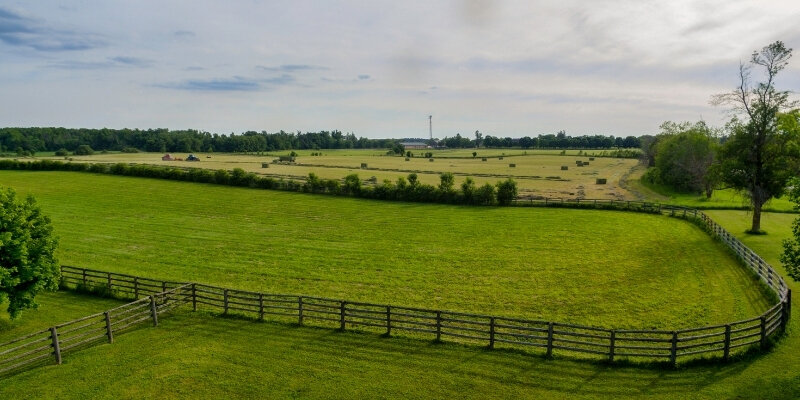
Selling ranch land in Texas can feel overwhelming. You’ve got hundreds of acres, maybe thousands, that have been in your family for generations. Or you’ve invested in a working ranch that’s become more of a burden than a blessing. Either way, you’re staring at one of the biggest financial decisions of your life.
We buy Texas ranch land, and we’ve watched ranchers make smart moves that set their families up for life. We’ve also watched others leave serious money on the table because they didn’t understand the market. The difference almost always comes down to three things: preparation, timing, and knowing what buyers actually want.
Texas ranch land isn’t just dirt and grass. You’re dealing with mineral rights, water rights, agricultural exemptions, and a regulatory environment that can make or break your sale. Once you understand the process, though, it becomes a lot more manageable.
Texas Ranch Land Market: Prices, Trends, and What to Expect in 2026

Ranch sales move more slowly than residential transactions. We’re talking months, not weeks. Buyers need time to inspect the property, verify water rights, check mineral ownership, and arrange financing for what’s often a million-dollar purchase. Don’t list on Monday, expecting to close by Friday.
The statewide median price reached $5,246 per acre in the first quarter of 2026, up 6.02% year over year, but that number only tells part of the story. Ranch values swing dramatically based on location, improvements, and what comes with the land. Transaction volume is recovering. Annualized sales rose 5.45% year over year in the first quarter of 2026, though activity still sits roughly 30% below 2019 levels. Fewer buyers are active than in the peak years, but the ones shopping have serious money and specific requirements.
Regional pricing tells completely different stories. The Austin-Waco-Hill Country region averages around $8,028 per acre, while Far West Texas sits at $630 per acre. Northeast Texas saw 28,658 acres sold with prices up 0.98% to $8,960 per acre. Meanwhile, the USDA reports that both cropland and pastureland values increased 3.2% and 5.2%, respectively, from 2025 to 2026 statewide. Useful context, but averages don’t tell you what your specific ranch will bring.
One pricing dynamic surprises many sellers: smaller ranches cost more per acre. A 50-acre tract might sell for $15,000 per acre, while a 5,000-acre ranch brings $3,000 per acre. The math works differently when buyers are purchasing a lifestyle versus a working operation.
Key Factors That Determine Texas Ranch Land Value
Ranch land valuation goes far beyond simple per-acre calculations. Professional appraisers look at multiple factors simultaneously.
Location drives everything. Urban county parcels average $38,500 per acre; suburban properties around $19,200; rural land just $5,150. A ranch in Gillespie County will always outperform similar acreage in Hudspeth County, not because the grass is greener, but because of proximity to Austin and San Antonio.
Water access can make or break your sale. Surface water, whether a creek, pond, or river frontage, commands serious premiums. Wells, water rights, and established water infrastructure matter equally. Buyers pay more for reliable water because drilling new wells is expensive and uncertain. Before listing, test your wells for capacity and quality. Surprises during due diligence cost you negotiating leverage.
Improvements add more value than most sellers expect. Quality fencing, internal road systems, working pens, functional facilities, and hunting infrastructure all contribute. A well-maintained ranch with good roads and solid fencing commands higher prices than equivalent raw land. One caveat: don’t expect dollar-for-dollar returns. A $50,000 barn won’t add $50,000 to your sale price. Improvements add value by making the ranch more functional and attractive, but the land itself still drives most of the numbers.
Mineral rights represent the wild card. Under Texas law, if a seller doesn’t explicitly retain minerals when selling the surface, the mineral estate automatically transfers to the buyer. If you own mineral rights and are on the fence about conveying them, know that doing so typically increases the sale price, particularly in active oil and gas areas. Some sellers use partial mineral conveyances as negotiating tools, for example, offering 25% with a full-price offer. Given the complexity, hiring an oil and gas landman or real estate attorney to clarify your ownership position before listing is money well spent.
Agricultural exemptions affect value in ways that cut both ways. Properties with current ag exemptions are more attractive to buyers planning to continue ranching. However, losing the exemption can trigger rollback taxes covering the prior three years of back assessments, a substantial burden that needs to be disclosed and accounted for in your transaction structure.
How to Prepare Your Texas Ranch for Sale
Preparation takes months, not days. Start with the paperwork.
Gather your deed, survey, mineral lease agreements, water rights documentation, and ag exemption paperwork. Specifically: original deed or conveyance, any probate orders if the property was inherited, existing oil and gas leases, division orders, and recent royalty check details. The more you can provide upfront, the faster the title review process moves.
Have your property boundaries clearly marked and surveyed. Old surveys may not reflect current conditions. If your boundaries aren’t clearly established, a new professional survey is worth the investment. Buyers on large acreage purchases insist on it, and uncertainty creates negotiating pressure against you.
Inspect your infrastructure before listing. Check roads, gates, fencing, water systems, and structures. Fix what’s broken and document what works. Buyers expect functional infrastructure, and visible deferred maintenance signals bigger problems underneath.
Clean up the property without overdoing it. Remove junk, old equipment, and debris. Mow around headquarters and main roads. You’re not staging a suburban home, but first impressions still matter, even on a ranch.
Finally, document your ranch’s productivity. Gather records showing carrying capacity, crop yields, hunting success, and any income the property generates. This helps buyers understand the ranch’s potential and supports your asking price.
How to Market Texas Ranch Land to the Right Buyers
Ranch marketing requires a fundamentally different approach than residential sales. You’re targeting a small, sophisticated buyer pool with specific needs and substantial resources.
Professional photography is non-negotiable. Aerial shots showing the property’s layout, water features, and topography are essential. Ground-level photos should highlight improvements and views. Video tours have become standard because out-of-state buyers, an increasingly large portion of the Texas ranch buyer pool, need to evaluate properties before traveling.
Targeted marketing reaches the right buyers more efficiently than broad advertising. Ranch buyers fall into distinct categories: working ranchers looking to expand, investors seeking agricultural assets, hunters wanting recreational properties, and urban professionals pursuing lifestyle changes. Your marketing message should speak to the most likely buyer type for your specific property.
Price positioning affects everything. Overpriced properties go stale, and stale listings eventually sell for less than properly priced ones. Research comparable sales carefully, but remember that no two ranches are identical. A good ranch agent earns their commission by knowing where the comparable data fits and where it doesn’t.
Networking within the ranching community often produces the best results. Other ranchers, agricultural lenders, livestock dealers, and hunting outfitters all know potential buyers. Word of mouth carries more weight in this market than almost any other advertising channel. Working with a reputable company that buys land in Texas can also connect you directly with serious buyers who are already in the market.
How to Choose a Texas Ranch Real Estate Agent
Not all real estate agents understand ranch sales. Residential agents know neighborhoods and school districts; ranch sales require a different knowledge set entirely.
Look for an agent who understands how to evaluate water rights, interpret mineral leases, and explain agricultural exemptions. Someone who knows carrying capacity, hunting quality, and the factors that drive values in your specific region. The best ranch agents maintain active buyer networks, with relationships with ranchers, investors, and recreational buyers that allow them to match properties with suitable purchasers before a listing ever goes public.
Ask prospective agents directly: How many ranch transactions have you closed in the past two years? What’s your buyer network in this region? Who have you sold similar properties to? The answers will tell you quickly whether you’re talking to someone with genuine ranch market expertise or someone who’s handled a few hobby farms.
Legal Disclosures and Requirements When Selling Ranch Land in Texas

Texas disclosure requirements are relatively limited compared to other states, but ranch sales carry specific obligations.
Mineral rights disclosure is critical. If mineral rights have been leased to a third party and the seller wants to retain ownership, that information must be disclosed at the time of contract execution. Without proper disclosure, mineral rights transfer to the buyer by default.
Water rights documentation requires careful attention. Texas water law is complex, and buyers need clear documentation of water rights, well permits, and any use restrictions. Incomplete water rights documentation is one of the most common causes of delayed or failed ranch closings.
Agricultural exemption transfers need proper handling. Rollback tax liability, up to three years of back taxes plus interest, can surprise new owners and derail transactions if not addressed upfront. Know your property’s exemption status and disclose accordingly.
Environmental issues, while less common in ranch sales, can affect transactions. Wetlands regulations, endangered species considerations (the golden-cheeked warbler in Central Texas and the lesser prairie chicken in West Texas are notable examples), and compliance with waste-disposal regulations all warrant attention before listing.
Understanding your disclosure obligations protects you legally. Understanding your tax obligations protects you financially. The two go hand in hand, and both deserve attention before you sign anything.
Tax Implications of Selling Ranch Land in Texas
Ranch sales create significant tax complexity. The major categories:
Capital gains taxes apply when your sale price exceeds your basis in the property. Property held for more than one year qualifies for long-term capital gains rates, which are lower than ordinary income rates. Inherited properties often receive a stepped-up basis, which significantly reduces taxable gain.
Depreciation recapture affects sales when you’ve claimed depreciation on improvements. Buildings, fencing, and other depreciated assets get “recaptured” at sale, creating ordinary income tax liability.
Rollback taxes apply if agricultural land transitions to non-agricultural use, representing the difference between what was paid under ag valuation and what would have been owed at market value, covering the prior three years.
1031 exchanges allow you to defer capital gains taxes by reinvesting proceeds into like-kind property. Mineral rights can qualify. This strategy is particularly powerful for sellers planning to acquire other real estate.
Texas has no state income tax, which is a meaningful advantage for ranch sellers compared to most other states.
Given the complexity, sitting down with a qualified tax professional before you sign anything isn’t optional. It’s one of the highest-return conversations you’ll have in this entire process.
Texas Ranch Land Closing Process: What Sellers Need to Know
Ranch closings involve more documentation and coordination than residential transactions.
The title work requires extensive research to verify ownership history, mineral rights, easements, and any liens or encumbrances. This process can take several weeks for complex properties. Buyers almost always require new or updated surveys for large acreage, which adds time and cost that should be anticipated upfront.
Due diligence periods for ranch sales typically run 30 to 60 days or longer. Buyers need time to complete property surveys, water testing, environmental assessments, financial review, and financing approval. Don’t try to compress this timeline. Rushed closings create problems that delay or kill transactions.
Prorations at closing include property taxes, mineral lease payments, ag income, operating expenses, and any applicable land clearing costs. These calculations are more complex than residential closings and require careful attention from all parties, particularly when clearing or preparation work has been completed before the sale.
Once you understand how closings work, the next question most sellers ask is when to pull the trigger.
Best Time to Sell Ranch Land in Texas

There’s no perfect time to sell a ranch. Anyone who tells you otherwise is guessing.
That said, timing does matter, and understanding the rhythms of the Texas ranch market can work in your favor. Spring tends to bring more buyer activity. Ranchers are planning for the growing season, recreational buyers are thinking ahead to summer, and the general optimism that comes with warmer weather loosens purse strings. Fall has its own energy, particularly for hunting properties, as buyers want to be settled before deer season opens.
Neither window is definitively better. A well-priced, well-prepared ranch will attract serious buyers in any month. A poorly priced one will sit regardless of the season.
Market cycles are real but rarely predictable enough to time precisely. Interest rates, cattle prices, and broader economic conditions all influence buyer activity. When rates rise, purchasing power drops, and the buyer pool shrinks. When cattle markets are strong, ranchers feel flush, and acquisitions pick up. The Texas rural land market found its footing again in 2025 after a turbulent stretch from 2022 to 2024, with transaction volume stabilizing statewide.
What most sellers discover is that personal circumstances end up driving timing more than market conditions do. A health situation, a family decision, a financial need, these don’t wait for ideal market windows. When life requires you to sell, the answer isn’t to wait. It’s to prepare better, price smarter, and work with people who know how to move properties efficiently, regardless of the conditions.
The best time to sell your ranch is when you’re ready, and when the property is too.
Alternative Ways to Exit Your Texas Ranch Property
Outright sale isn’t the only option.
Partial sales let you monetize part of the ranch while retaining the rest. Selling development rights, hunting rights, or a portion of a large tract can generate cash without a full exit.
Conservation easements restrict development but allow continued agricultural use and can provide substantial tax benefits for qualifying properties.
Owner financing expands your buyer pool and can increase the sale price. Many ranch buyers prefer it over traditional lending because of its flexibility, and sellers can structure payments to meet their own financial needs.
Family transfers require careful planning around gift programs, family limited partnerships, and estate planning structures to minimize tax liability across generations.
The right strategy depends on your financial situation, family circumstances, and long-term goals, which is why it’s worth sitting down with an experienced ranch transaction specialist before committing to any single approach. Atlas Land Buyers has worked with Texas ranch owners across all of these scenarios and can help you evaluate which path makes the most sense for your property.
Frequently Asked Questions
What Taxes Do You Pay When You Sell Land in Texas?
Texas has no state income tax. Federally, gains on land held over one year are taxed at long-term capital gains rates. You may also owe rollback taxes if the ag exemption is lost, and depreciation recapture on improved assets. These taxes can add up quickly on a large ranch sale, so consulting a tax professional before you list is one of the smartest moves you can make.
How Does Ranch Size Affect Price Per Acre?
Smaller tracts typically command higher per-acre prices than large ranches. A 50-acre property might sell for $15,000 per acre while a 5,000-acre ranch brings $3,000 per acre. Mid-size ranches between 100 and 500 acres often hit a sweet spot, with enough land for serious ranching or hunting while keeping the total price accessible to a broader buyer pool. If you’re unsure how your acreage affects your asking price, a ranch-specific appraisal will give you a defensible number before you go to market.
What Is the Most Common Mistake Ranch Sellers Make?
Overpricing. Emotional attachment to family land or unrealistic expectations from peak market years leads sellers to price properties above what the market supports. Overpriced ranches go stale, lose momentum, and typically sell for less than they would have if priced correctly from the start. The second most common mistake is choosing the wrong agent, someone with residential experience but no real understanding of agricultural transactions, water rights, or mineral rights negotiations.
How Long Does It Take to Sell Ranch Land in Texas?
Most ranch sales take three to six months from listing to closing, sometimes longer for large or complex properties. The timeline includes buyer due diligence, title research, survey work, financing approval, and contract negotiations. Sellers who have their documentation organized and their property properly prepared tend to close faster and with fewer complications.
Do Mineral Rights Transfer Automatically When You Sell Ranch Land?
Yes, unless you explicitly retain them in the contract. Under Texas law, mineral rights are part of the property and transfer to the buyer by operation of law. If you want to keep your mineral rights, that language must appear in the deed. Many sellers don’t realize this until it’s too late, which is why reviewing mineral ownership with a qualified attorney before listing is strongly recommended.
Selling ranch land in Texas is one of the most consequential financial decisions a property owner can make. The market rewards sellers who prepare thoroughly, price honestly, and work with people who genuinely understand agricultural transactions.
If you’ve read this far, you’re already ahead of most sellers. The next step is getting eyes on your specific property and understanding what it’s actually worth in today’s market. Contact us for a straightforward conversation, no pressure, no obligation. If you’re in the Austin area and want a fast cash offer, our cash land buyers in Austin, TX, can move quickly and close on your timeline. If your ranch sits closer to Central Texas, we also buy land fast in Waco, TX.
Helpful Texas Blog Articles
- Expert Tips For Selling Hunting Land In Texas
- Discover Texas Land Zoning Details
- Closing Costs For Land Purchases In The Texas Real Estate Market
- Can You Sell Land Without a Title Company in Texas
- How to Determine the Value of Your Land in Texas
- Selling Inherited Land In Texas
- Selling Land With Mineral Rights In Texas
- Strategies For Selling Land At Auction In Texas
- Do I Need a Lawyer to Sell Land in Texas?
- Can I Sell Land to the City or County in Texas?
- How to Avoid Scams When Selling Land
- How to Market Land for Sale Online
- How to Sell Land to Out-of-State Buyers
- How to Avoid Capital Gains Tax When Selling Land
- How to Sell Commercial Land Near a Highway or Commercial Zone
- How to Sell Ranch Land in Texas