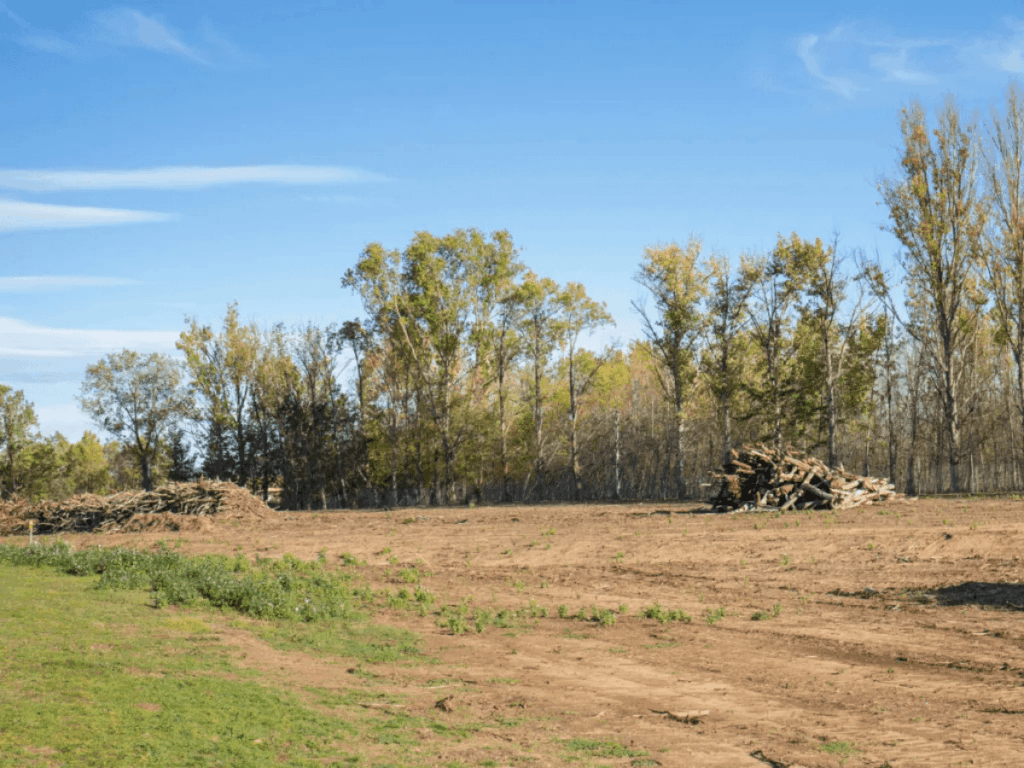
![Selling Land in a Divorce in [market_city]](https://image-cdn.carrot.com/eyJidWNrZXQiOiJwcm9kdWN0aW9uLmNhcnJvdC11cGxvYWRzLm9uY2Fycm90LmNvbSIsImtleSI6InVwbG9hZHMvc2l0ZXMvNzg3NDQvMjAyNi8xMC9TZWxsaW5nLUxhbmQtaW4tYS1EaXZvcmNlLmpwZyIsImVkaXRzIjp7InJlc2l6ZSI6eyJ3aWR0aCI6MTE1Mn0sInRvRm9ybWF0Ijoid2VicCIsIndlYnAiOnsicXVhbGl0eSI6NzB9fX0=)


A bank account is split in an afternoon. Dirt won’t. Land comes with fences, mineral reservations, a grazing lease nobody wrote down, and now and then a seller-financed note from the 1990s. I’ve bought raw acreage and odd-shaped lots across this state for years. The hardest files I see aren’t the ugly ones. They’re the ones where two people who planned a future on that ground now have to agree on a number. If you’re selling land during a divorce in Texas, you’ve got more control over the outcome than the court docket suggests. If you’d like to know who you’d be talking to before any of that, you can read more about Atlas Land Buyers.
What Happens to Your Land in a Texas Divorce?
Sign a deed at the wrong moment, and you can create a problem that outlives the marriage. It can cost you attorney fees you never budgeted for and sour a buyer who was ready to close.
Every divorce case in Texas starts from the same presumption. Property either spouse holds when the marriage ends is treated as community property. The spouse who says a tract is separate has to prove it by clear and convincing evidence, and a deed with one name on it doesn’t settle that.
The title is one question. Characterization is another, and courts keep them apart.
Judges here divide the community estate in whatever way the court deems just and right, the standard written into Section 7.001 of the Texas Family Code. That phrase gives a judge enormous room. Separate property sits outside the pile, and a Texas court generally can’t hand one spouse’s separate land to the other.
Once a decree is signed, somebody still has to move the paper. A deed gets prepared and recorded with the county clerk where the acreage physically sits, which may not be the county that heard the case. Say the divorce runs through Travis County, and the land sits in Fayette County. Your filing goes to Fayette.
Lenders aren’t parties to your divorce. A decree saying your ex-spouse takes the note does nothing to the note itself. Both names stay on that loan until somebody refinances or the property sells, and a late payment still hits both credit reports. Pull the original mortgage documents and check who actually signed, rather than going off memory.
Is Texas Marital Property Law Different for Land and Real Estate?

A woman once called me about twelve acres outside Bulverde that her grandmother deeded to her back in the nineties. Her husband’s name appeared nowhere on that deed, so she figured the conversation was over.
It wasn’t. Inherited land stays separate property in Texas. Even so, a spouse can bring a reimbursement claim for the community estate when marital money improves a separate tract. Her husband had paid for a well, a culvert, and three years of ag-exemption upkeep out of their joint account. None of that turned the land into community property; all of it gave him something to argue about.
Raw land raises wrinkles that a suburban house never does. Mineral interests, surface leases, pipeline easements, and water rights all get characterized apart from the dirt above them. Income questions on separately owned minerals turn technical fast, and that’s a conversation for a lawyer who has handled oil and gas property in a family law case.
Tracing is where these fights get won or lost. Say you bought a tract before the marriage and refinanced it twice using community income. Proving what’s yours then takes bank records, closing statements, and often a forensic accountant.
Couples who signed a prenuptial agreement before the wedding, or a postnuptial agreement later, usually have a shorter fight. Those documents can define a ranch, a lake lot, or a future inheritance as one spouse’s separate asset. Texas also lets spouses partition community property by written agreement during the marriage. A lot of families with inherited farmland never hear about that tool until it’s too late.
Commercial and luxury real estate add appraisal disputes on top of everything else. I’ve watched two licensed appraisers look at the same forty acres near a growing suburb and land six figures apart, depending on whether they weighed current use or development potential.
What Factors Decide Who Gets the Land in a Divorce?
For years, I told sellers that a Texas judge cuts everything straight down the middle. I was wrong.
Courts here regularly award one spouse a larger share. Judges weigh each person’s earning capacity and education, plus age, health, and the size of each separate estate. Fault in the breakup counts when it’s pleaded and proven, and so do the tax consequences of the division. Waste or hiding of community assets gets punished. Custody matters too, since a parent who’ll be the primary caregiver for young children often comes out with a bigger slice.
Land specifically tends to go to whoever can carry it. Property taxes, fencing, brush control, and a note payment don’t pause for anybody’s circumstances. A spouse with no income to cover those costs usually ends up taking cash instead of acreage, and that’s often the better result for them anyway.
A couple of years ago, I looked at a place in Seguin for a retired couple splitting up after a long marriage. Their contractor had written up a kitchen remodel that the daughter wanted done before they tried to sell. The estimate came in higher than what the kitchen would add to the price of the whole property. We walked it on a Saturday, past a garage holding a half-restored tractor and about forty feet of rolled hog wire. I told them to skip the remodel entirely, because buyers for that property were buying the eight acres behind the house.
Improvements rarely pencil out on rural property in a divorce. Spending community money on repairs while a case is pending also invites a fight over whether you had the authority to spend it.
Judges also look at who’s been paying the bills since separation. Keep records of every tax payment, insurance premium, and repair you’ve covered on your own. Reimbursement claims for post-separation spending come up constantly, and receipts are what settle them.
Should You Sell Land Before or After Your Divorce Is Final?

Selling before the decree is signed is usually the cleaner move when neither spouse plans to keep the property.
Cash divides itself. Acreage doesn’t. Leave a tract jointly owned past the divorce, and you’ve got two ex-spouses still sharing a tax bill, a fence line, and a decision about when to list. I’ve watched that arrangement sour relationships that were civil on the day the judge signed.
Most sellers give market timing on land too little credit. Statewide, Texas rural land ran about $5,218 per acre in the second quarter of 2026, up roughly 3.3 percent from a year earlier, according to the Texas Real Estate Research Center at Texas A&M. Drive across the state, and that single figure stops telling the whole story. The Austin-Waco-Hill Country region set a record that quarter at $8,040 per acre. Gulf Coast-Brazos Bottom land came in around $11,369.
Volume tells a different story from price. Statewide dollar volume shrank in that same report even as prices held firm, which means a listing can sit for months without one serious offer.
That gap between a firm price and a quiet phone pushes a lot of divorcing couples toward a direct sale. A cash buyer takes financing contingencies and appraisal gaps off the table. It also removes most of the ways a retail land sale falls apart in escrow, and I’ve seen enough of those collapse at the last minute to understand why couples stop trusting them. Several couples I’ve bought from chose to sell direct for one reason. They wanted a single closing date they could hand to their attorneys and build a settlement around. If that’s where you’re leaning, here’s how you can sell your land for cash in Texas without listing it.
Waiting until after the decree makes sense in one common scenario. One spouse genuinely wants to keep the land and can qualify to refinance it alone. Then you’re negotiating a buyout value rather than a sale price, and an owelty lien drafted into the decree lets the departing spouse secure their share.
Contested Texas divorces commonly run six months to a year. Ask yourself whether the property can carry itself that long.
Can I Sell My Land Without My Spouse’s Agreement in Texas?
Short of a court order, no. That answer trips up people whose name is the only one on the deed.
Many of the state’s busier counties have standing orders that kick in the moment a divorce petition is filed. Texas Law Help lists Travis, Williamson, Dallas, Collin, Denton, Bexar, Bell, Montgomery, Nueces, and Jefferson among the counties using them. Nobody has to ask for these orders, and they bind both spouses. In my experience, buying from divorcing sellers, these orders typically bar selling, transferring, or encumbering property that the other spouse may claim an interest in. Dallas County is on that list, so if your acreage sits there, talk to your attorney first, then see how we buy land in Dallas.
Violating one isn’t a technicality. You could face a contempt finding, an attorney fee award against you, or a judge who tilts the property division to even things out.
Counties without standing orders can still produce the same restriction through a temporary restraining order that your spouse requests at filing. Either way, the practical gatekeeper is usually the title company. Texas underwriters want both spouses to sign when a marriage is on record and a divorce is pending, whatever name appears in the chain of title.
Homestead property brings its own rules. Texas law generally requires both spouses to sign when a homestead is sold, and a judge ordering a sale while the case is still pending is the exception. Vacant land nobody lives on may sit in a different category. Confirm that with your attorney before you spend money marketing anything.
What you can do without a fight is prepare. Pull the survey. Order a title commitment and find that old utility easement before a buyer’s attorney does. Gather the ag-exemption paperwork, the tax statements, and any lease documents sitting in a drawer.
Land sellers who walk into mediation with a current title commitment and two real offers move faster than sellers who walk in with opinions about value. Information settles cases. Arguments about price stall them.
Do I Need a Texas Family Law Attorney to Sell Land During Divorce?

One seller brought me a decree her husband’s cousin had drafted off a template. It described their property as “the farm in Burnet County.” Three years later, a title company refused to insure the sale because that description matched nothing in the county records.
Legal descriptions matter. So does the language that assigns property taxes, closing costs, pro-rations, and the split of proceeds. A family law attorney who handles real estate writes decrees that title companies can work with; a generic form doesn’t.
Timing is another place where counsel earns the fee. Under Family Code Section 6.702, a Texas court can’t grant a divorce before the sixtieth day after the suit is filed. The only exception is narrow and tied to family violence. Agreed cases often finalize two to three months after filing, once a prove-up hearing gets on the calendar. A lawyer helps you line up a closing with that calendar instead of fighting it.
Can you represent yourself in a Texas divorce? Legally, yes. I’d still hire someone when real property, retirement accounts, or child custody are in play. Whatever you save by drafting your own paperwork disappears the first time you need a corrected deed or a motion to enforce.
An attorney also absorbs the communication load. Divorces with land in them produce a steady stream of email between two lawyers, a title company, and sometimes a surveyor. Having a professional handle that traffic keeps a property sale from blowing up every time a message gets read the wrong way.
Ask any lawyer you interview how many cases they’ve closed involving acreage, mineral interests, or a security lien. A practice built on child support payments and custody battles may be excellent at those things and still be learning on your forty acres.
How Do I Find a Qualified Divorce Attorney Near Me in Texas?
A referral from a friend who divorced three years ago feels like the safest starting point. Then you learn their case had two cars and a rental deposit in it. Yours has a tract straddling the Williamson County line with a pipeline easement through the back pasture.
Match the lawyer to the asset. Attorneys who are board-certified in family law have been through extra vetting, and asking about certification costs you nothing. After that, ask specific questions. How many divorces with rural property have they closed? Who drafts the deed? What happens if the buyer’s lender needs the decree amended?
Fees deserve a direct conversation at the first meeting. Retainers, hourly rates, billing for emails, and who pays for mediation all vary by firm, so get it in writing.
Local knowledge pays off in family law the way it does in real estate. A Round Rock attorney who stands in front of Williamson County judges every week knows which courts set mediation early. They’ll also know how long a contested hearing really takes to reach the docket, and that shapes whether you sell the property in spring or wait.
Your county district clerk’s office can tell you whether a standing order applies in your case and give you a copy. Read it before your first attorney meeting, and that hour gets a lot more productive.
A landlord I met in Pflugerville went through all of this while moving her mother into assisted living the same month. She had tenants on a month-to-month in a small rental, a storage shed full of her mother’s canning jars, and a divorce file in another county. She had zero interest in managing any of it. Selling the property outright gave her one less decision during the hardest stretch of her year, and I’ve seen that same relief in other sellers since.
Frequently Asked Questions
Can You Get Divorced in Texas Without Hiring a Lawyer?
You can file and finish a divorce on your own in Texas, and plenty of people do when there are no children and almost nothing to divide. Once real property, retirement accounts, or custody enter the picture, going it alone gets risky in ways that show up later. A decree with a bad legal description or a missing deed can block a sale years down the road. Court staff can hand you forms, though they aren’t allowed to give legal advice about your situation.
Is It Okay to Sell the Land or House Before the Divorce Is Finalized?
Yes, and it’s often the smoother path, as long as both spouses agree and any county standing order is followed. A written agreement between the two of you, or an order from the judge, is what makes a closing possible while the case is pending. Title companies will ask to see it. Selling behind your spouse’s back exposes you to contempt and a worse property division.
How Long Can a Spouse Drag Out a Divorce in Texas?
Longer than you’d like, though not forever. A spouse who won’t respond, fights discovery, or cancels mediation can stretch a case well past the mandatory waiting period. Contested matters often run for most of a year or more. Courts can push back with scheduling orders, sanctions, and attorney fee awards when the delay is tactical, though you have to ask. If stalling is costing you money on a property nobody is maintaining, tell your attorney exactly that. It changes what relief is worth requesting.
What Happens to Inherited Land in a Texas Divorce?
Land you inherited is separate property, even if you received it during the marriage, as long as you can prove it. Proof usually means the will, the deed, probate records, or a clear paper trail. Trouble starts with commingling and reimbursement claims. If community money paid for improvements like a new fence or a well, your spouse may have a reimbursement claim against the separate property. That claim doesn’t turn the land into community property, though it can change the final numbers.
Do Both Names Have to Be on the Deed for a Spouse to Have a Claim?
No. Texas presumes property acquired during the marriage is community property, whatever name sits on the deed. A house titled solely in one spouse’s name and bought with community funds during the marriage is still subject to division. It works the other way, too. A spouse’s signature on a deed doesn’t automatically give them a share of separate land, especially when a title company only asked for it to clear the sale.
Will a Cash Sale Close Fast Enough to Matter?
Usually, yes. A cash sale skips the appraisal and lender underwriting that push a traditional sale past thirty days. Closings often land within two or three weeks once the title clears. The holdup in a divorce is rarely the buyer. It’s the paperwork, meaning both signatures on the contract or a court order authorizing the sale. Get that piece lined up, and the rest moves quickly.
Maybe you own a house, a rental, or a piece of land in Texas, and the divorce has made it hard to decide what to do with it. You’re allowed to just ask questions. Whether you need to sell land in Austin or out in the country, we buy property as-is, in any condition. We can tell you what a cash offer would look like before you commit to anything. You won’t need to clean out or fix anything, and you’re under no obligation if the numbers don’t work for you. Reach out when you’re ready. If that’s three months from now, after mediation, that’s fine too.