![How Much Does Land Subdivision Cost in [market_city]](https://image-cdn.carrot.com/eyJidWNrZXQiOiJwcm9kdWN0aW9uLmNhcnJvdC11cGxvYWRzLm9uY2Fycm90LmNvbSIsImtleSI6InVwbG9hZHMvc2l0ZXMvNzg3NDQvMjAyNi8wNC9Ib3ctTXVjaC1Eb2VzLUxhbmQtU3ViZGl2aXNpb24tQ29zdC5wbmciLCJlZGl0cyI6eyJyZXNpemUiOnsid2lkdGgiOjExNTJ9LCJ0b0Zvcm1hdCI6IndlYnAiLCJ3ZWJwIjp7InF1YWxpdHkiOjcwfX19)

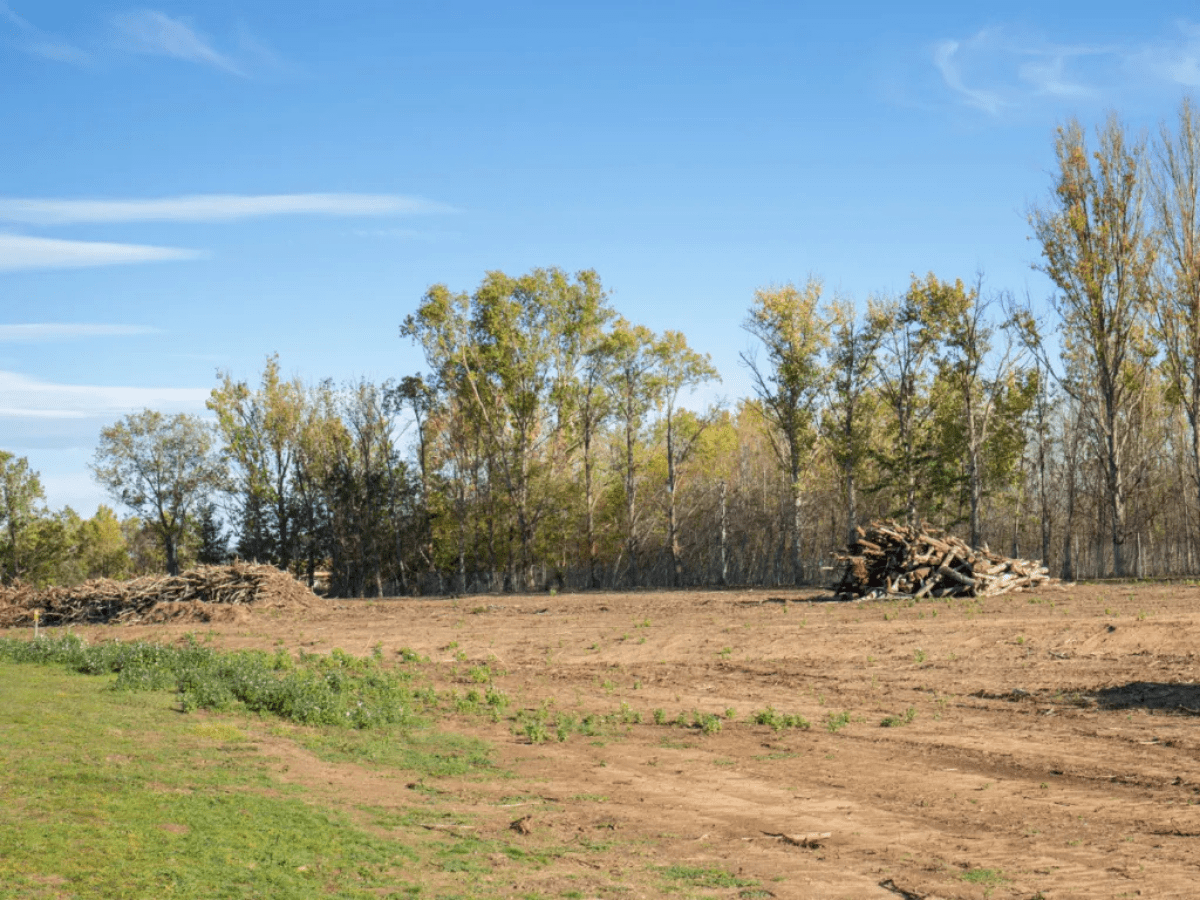
Ever wondered what it really costs to subdivide that 20-acre parcel in Collin County? Or maybe you’ve got your eye on some land near Lake Travis and you’re thinking about splitting it up for development. I’ve been working with Texas landowners for over a decade, and I can tell you right now: subdivision costs come with hidden and unexpected expenses
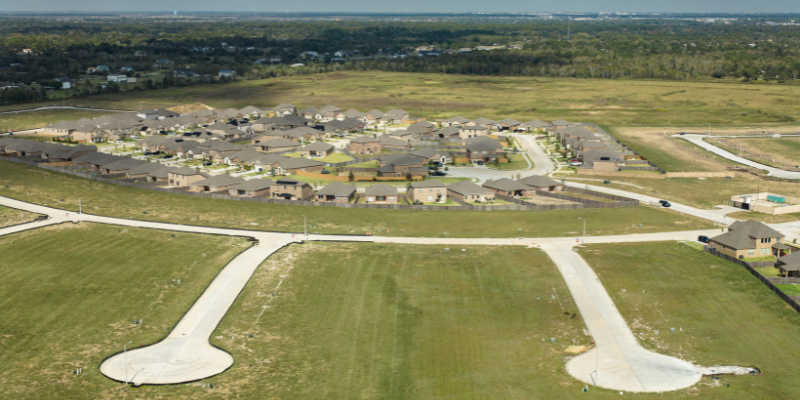
Let me walk you through everything you need to know about subdividing land in Texas, from the complex and often confusing approval process to the final dollar amounts. Whether you’re eyeing a quick family split or planning a full-blown residential development, this guide covers it all.
Understanding Municipal and County Subdivision Requirements in Texas
Texas operates differently from most states regarding subdivision regulations. Each of the state’s 254 counties sets its own rules, and trust me, they vary wildly from Harris County to Brewster County.
Here’s what I’ve learned working with property owners across the Lone Star State: Each county or city in Texas has specific zoning and land-use ordinances. Before subdividing your property, check with your local planning and zoning department to ensure the land is eligible for subdivision.
In major metropolitan areas like Dallas-Fort Worth, Austin, and Houston, you’ll face stricter requirements and higher fees. Rural counties often have more flexibility but may lack the infrastructure to support larger subdivisions. For instance, if you’re looking at property in Montgomery County near The Woodlands, expect different rules than if you’re considering acreage out in East Texas.
In Texas, each county sets its own rules, and the criteria can vary greatly from one jurisdiction to another. Before subdividing land, you must check whether the parcel is eligible for the planned subdivision. This isn’t just bureaucratic red tape (it protects both you and future property owners).
Most counties require you to work through their planning and zoning commission. Some, like Travis County, have streamlined online systems. Others still operate with paper forms and in-person meetings. I always tell clients to budget extra time for smaller countries where the process might move more slowly.
The good news? The most common adjustment has been to delegate subdivision plat approval to staff, with an appeals process, if the subdivision does not require waivers or variances. Plats involving waivers or variances instead route to the Commissioners’ Court or the appropriate municipal authority.
Minimum Lot Size Requirements and Their Impact on Development Costs
Lot size requirements directly impact your subdivision economics. I’ve seen projects pencil out beautifully on paper, only to discover that minimum lot sizes can severely reduce your profit margins.
In urban areas like Plano or Sugar Land, you might see minimum lot sizes of 7,500 square feet or less. Head out to rural counties, and you could face requirements of 1-5 acres per lot. Some counties even require 10+ acres for certain zoning classifications.
The average cost for an acre in Texas is now up to $5,158. But that’s just the starting point. Austin-Waco-Hill Country also continues to be a popular choice for Texas land buyers. Sales actually increased in this region from 2024 to 2025 (by 5.7%), and prices rose to a record high of $7,704 per acre on average.
These lot size requirements affect your subdivision costs in several ways:
Larger minimum lots mean fewer sellable parcels from your original tract. If you’ve got 40 acres and the county requires 2-acre minimums, you’re looking at maybe 18-19 lots after accounting for roads and setbacks. Drop that requirement to half-acre lots, and you might get 60+ lots.
The infrastructure costs per lot also change. Longer road networks, more utility extensions, and additional drainage requirements all add up. I’ve worked with developers who discovered their per-lot infrastructure costs doubled when minimum lot sizes increased.
Some counties offer density bonuses for certain types of development. You might get smaller lot sizes if you include affordable housing or preserve green space. These programs can significantly impact your subdivision economics.
Zoning Approval Fees and Permit Application Expenses
Let’s talk real numbers. Local governments charge fees to review and approve subdivision plats. These fees typically range from $500 to $2,000. But that’s just the beginning.
I’ve seen subdivision approval fees vary dramatically across Texas. $700.00 plus $20.00 per residential lot for the first 10 lots and $7.50 for each additional lot, plus $25.00 per acre for areas not platted into residential lots. That’s from Oak Point, a smaller Dallas suburb.
Major cities charge more. Austin’s subdivision fees run higher, especially if you need variances or special approvals. Houston-area municipalities each have their own fee structures. I always recommend getting current fee schedules before you start your pro forma.
Subdivision Approvals: If dividing land into multiple lots, expect fees from $1,000 to $10,000. The wide range depends on complexity, number of lots, and local requirements.
Don’t forget about inspection fees. The inspection fee will be two percent of the certified construction costs of the land development for new subdivisions or any resubdivision. Inspection fees are to be paid as half of the estimated amount upon approval of the final plat or site plan and the balance based upon the certified construction costs before work commences.
Additional fees pop up throughout the process. Environmental reviews, traffic studies, and special permits all carry separate charges. I’ve seen projects where miscellaneous fees added up to $15,000 or more.
Environmental Impact Studies and Compliance Costs
Environmental compliance isn’t optional in Texas. The state takes flood control, water quality, and habitat protection seriously, especially after recent flooding events in Houston and Central Texas.

Environmental Studies: Required in some cases, costing $2,000 to $10,000. But honestly, that’s on the low end for anything complex.
If your property sits in a floodplain, near a creek, or contains wetlands, expect higher costs. FEMA flood zone determinations, wetland delineations, and endangered species surveys all add to your budget. I’ve worked on projects where environmental studies alone cost $25,000.
Floodplain & Environmental Assessments: Required for some areas, adding $3,000 to $15,000. These aren’t just bureaucratic hurdles. They protect your investment and future property owners from costly problems.
Water quality issues are particularly important in Texas. The Edwards Aquifer region around San Antonio has strict requirements. The Trinity Aquifer areas in North Texas face increasing scrutiny. If your subdivision affects groundwater, expect additional studies and potentially expensive mitigation measures.
According to the 2024 State Flood Plan, nearly 5 million Texans currently live or work in high-risk flood zones, and with projected population growth and increasingly severe storms, it is critical to improve stormwater infrastructure. This means flood-related requirements will likely get stricter, not looser.
Soil Testing and Geological Survey Requirements for Subdivision
Texas soil conditions vary dramatically from the clay-heavy Blackland Prairie around Dallas to the sandy soils of East Texas. Each presents different challenges for subdivision development.
Soil testing typically costs $1,500-$5,000 for a basic subdivision, but complex sites can run much higher. You’ll need percolation tests for septic systems, bearing capacity tests for roads, and potentially expansive clay analysis in areas with problematic soils.
The Dallas-Fort Worth area is notorious for expansive clay soils. These soils shrink and swell with moisture changes, causing foundation problems and road damage. If you’re subdividing in Collin, Denton, or Dallas counties, budget for extensive soil analysis.
Houston-area subdivisions face different challenges. High water tables, potential subsidence, and hurricane flood risks all require specialized testing. I’ve seen soil and geological studies run $15,000+ for subdivisions in flood-prone areas.
Septic & Well Permits: In areas without city utilities, installing private systems may cost $5,000 to $15,000. But first, you need soil tests to prove septic systems will work.
Some counties require geological surveys for subdivisions over a certain size. These identify potential sinkholes, unstable slopes, or other geological hazards. In the Hill Country around Austin and San Antonio, limestone geology can create expensive surprises.
Surveying and Engineering Expenses for Texas Property Division
Professional surveying is absolutely critical for any subdivision. Hiring a licensed surveyor to create a subdivision plat can cost anywhere from $1,500 to $5,000 or more, depending on the complexity and size of the property. For instance, subdividing a 10-acre rural property into two lots might cost around $2,500, while dividing a larger, irregularly shaped parcel in an urban area could cost upwards of $5,000 due to additional challenges such as mapping existing infrastructure and easements.
But those are just the basic costs. Complex subdivisions require extensive engineering work. Site Planning & Engineering: Professional services for land use planning and compliance can range from $10,000 to $100,000, depending on project complexity.
I always recommend getting an ALTA survey for subdivision projects. Local authorities often require an ALTA Land Survey, a detailed topographical survey that accurately establishes the property boundaries, access points, and existing infrastructure. This document is essential to prove that the project complies with subdivision standards.
Engineering costs depend heavily on infrastructure requirements. A simple family subdivision might need minimal engineering. A 50-lot residential development requires extensive civil engineering for roads, drainage, utilities, and compliance with local standards.
Traffic engineering is increasingly required for larger subdivisions. Traffic Impact Analysis: For larger developments, these studies may cost $5,000 to $50,000. Major subdivisions near busy roads or in growing areas almost always trigger traffic study requirements.
Platting Process Costs and Administrative Fees in Texas
The planting process involves multiple steps, each with its own costs. Preliminary plat review typically costs less than final plat approval, but you’ll pay for both.
Preliminary plate: $50.00 plus $5.00 per lot.
Final plate: $25.00.
Those are fees from a smaller Texas city. Larger municipalities charge significantly more.
Recording fees vary by county. Recording fees for the subdivision plat: $50 to $300. Most counties charge based on the number of pages in your plat documents.
Don’t forget about bond requirements. Many counties require performance bonds to guarantee infrastructure completion. The amount of the bond shall be 15% of the amount of the construction bond. If your infrastructure costs $200,000, expect to secure a $30,000 performance bond.
Administrative costs add up quickly. Multiple plan reviews, revision fees, and inspection costs can easily reach $5,000-$10,000 for a typical subdivision. I’ve seen projects where administrative fees exceeded $20,000 due to multiple revisions and extended review periods.
Legal Documentation and Attorney Fees for Land Subdivision
I’ll be straight with you: don’t attempt subdivision without proper legal help. You may need an attorney to help navigate zoning laws, draft contracts, and resolve any disputes.
Attorney fees for subdivision work typically range from $5,000 to $15,000 for straightforward projects. Complex subdivisions with unusual zoning, environmental issues, or title problems can run much higher.
Legal work includes reviewing title commitments, drafting subdivision documents, preparing deed restrictions, and ensuring compliance with all applicable laws. If you’re creating a homeowners association, add another $3,000 to $8,000 for HOA documentation.
Title insurance becomes more complex with subdivisions. You’ll need policies for each new lot, and the costs multiply accordingly. Budget at least $500-$1,500 per lot for title insurance, depending on property values.
Some attorneys specialize in Texas land development law. They’re worth the extra cost because they understand local requirements and can help avoid costly mistakes. I’ve seen DIY subdivisions cost tens of thousands more than necessary due to legal errors.
Texas Department of Transportation Access and Road Requirements
TxDOT gets involved when your subdivision affects state highways or farm-to-market roads. Their requirements can significantly impact your project costs and timeline.
These regulations include, but are not limited to, driveway and entrance requirements, line of sight issues, culverts, drainage, and other design issues. Developers must work with Texas Department of Transportation officials to ensure compliance.
Road access permits from TxDOT can take months to obtain. The process involves traffic studies, safety analysis, and often expensive improvements to existing roads. I’ve seen simple driveway permits require $10,000+ in road improvements.
Road & Access Permits: If county roads are impacted, permits may range from $500 to $5,000. But TxDOT permits for state highways typically cost much more.
If your subdivision requires a new traffic signal, expect costs of $150,000-$300,000. Turn lanes, acceleration lanes, and other safety improvements add to the bill. Some developers find it more economical to locate subdivisions away from major highways to avoid TxDOT requirements.
The good news is that the Texas Department of Transportation (TxDOT) is preparing for the future by planning to invest over $37.2 billion for the development, delivery, and maintenance of state highway projects to facilitate safe travel on our roadways. This investment may reduce some infrastructure burdens on developers.
Infrastructure Development Requirements and Associated Expenses
Infrastructure represents the biggest variable in subdivision costs. For a small subdivision with minimal infrastructure needs, costs may range from $10,000 to $30,000. For larger or more complex projects, expenses can easily exceed $100,000.

Roads are typically the largest infrastructure expense. Rural subdivisions might get by with gravel roads, but most areas require paved surfaces. Asphalt roads cost $3-$7 per square foot, depending on thickness and base requirements. A 1,000-foot road that’s 24 feet wide costs $72,000-$168,000 just for paving.
Don’t forget about road base, drainage, and utilities. A complete road with proper base, drainage, and utility easements can cost $100-$300 per linear foot. That 1,000-foot road might actually cost $100,000-$300,000 when fully built to county standards.
Site development in North Texas can typically cost between $30,000 and $65,000. The cost varies and could be higher, depending on the land you choose and your preferences. This includes site clearing, grading, and basic improvements for individual lots.
Site preparation costs vary by terrain and vegetation. Site clearing and tree removal can cost $1,200 to $8,000. This land development cost will vary based on the size of your lot and the number of trees and brush you need to clear.
Utility Connection Costs for Subdivided Properties in Texas
Utility connections can make or break a subdivision’s economics. Areas with existing water and sewer service cost much less to develop than rural areas requiring wells and septic systems.
Utility Extensions: If water and sewer lines need to be extended, costs can range from $20,000 to $200,000+. The wide range depends on distance, terrain, and existing infrastructure capacity.
Electric service extensions typically cost less than water and sewer, but they’re still significant. Rural electric cooperatives often require developers to pay for line extensions. Expect $15-$30 per linear foot for overhead electric lines and more for underground service.
Natural gas service isn’t available everywhere in Texas. Rural subdivisions often rely on propane, which doesn’t require upfront infrastructure investment but may affect property values and marketability.
Honestly, most agents won’t tell you this: utility availability should be your first consideration when evaluating subdivision potential. I’ve seen beautiful properties that couldn’t be economically subdivided because utility extensions cost more than the finished lots would be worth.
Water and Sewer System Installation Costs for New Subdivisions
Water and sewer represent the most expensive utility infrastructure for most subdivisions. Cover membership fees, water rights acquisition costs, or other fees associated with connection to the public water system so that service is available to each lot upon completion of construction of the water facilities described on the final plat.
Municipal water and sewer connections, where available, typically cost $2,000-$8,000 per lot in impact fees alone. Then you add the cost of installing water and sewer lines throughout the subdivision. Water lines cost $25-$50 per linear foot installed. Sewer lines run $30-$80 per linear foot, depending on depth and terrain.
For a 20-lot subdivision with 2,000 feet of water and sewer lines, expect $110,000-$260,000 just for the utility lines. Add impact fees of $40,000-$160,000, and you’re looking at $150,000-$420,000 for water and sewer infrastructure.
Rural areas without municipal service face different challenges. Individual wells cost $8,000-$15,000 each, depending on depth and water quality. Septic systems run $5,000-$12,000 per lot, assuming suitable soil conditions.
Some areas require community water systems for subdivisions over a certain size. These systems can cost $100,000-$500,000 or more, depending on the number of lots served and water source requirements.
Water quality issues are increasingly important in Texas. Areas with naturally occurring contaminants may require expensive treatment systems. The Barnett Shale region in North Texas faces particular scrutiny due to potential groundwater contamination.
Drainage and Flood Control System Installation Expenses
Texas weather is unpredictable, and recent flooding events have made drainage requirements stricter across the state. The estimated cost to develop solutions is over $54 billion and includes studies, design, and construction projects. While that’s statewide flood infrastructure, it shows how seriously Texas takes drainage.
Subdivision drainage systems typically cost $5,000-$25,000 per lot, depending on terrain and local requirements. Flat areas may need extensive storm sewer systems. Hilly terrain might require expensive erosion control measures.
Detention ponds are required in many areas to control stormwater runoff. These ponds cost $15,000-$50,000 each, plus ongoing maintenance requirements. Some subdivisions need multiple detention ponds to meet local standards.
Houston-area subdivisions face particularly strict drainage requirements following recent flooding events. Harris County’s new regulations require more detention capacity and stricter engineering standards. I’ve seen drainage costs double for some Houston-area projects.
The Hill Country around Austin and San Antonio presents different drainage challenges. Flash flood risks and limestone geology require specialized engineering solutions. Creek crossings and floodplain compliance add high costs.
Here’s what nobody mentions: drainage requirements are getting stricter, not looser. Climate change concerns and recent flooding events are driving more conservative engineering standards. Budget generously for drainage (it’s better to overestimate than face costly redesigns).
Financing Options and Construction Loans for Land Development
Traditional bank financing for subdivision development is challenging. Most banks require significant down payments and personal guarantees. Expect to put down 25-40% of total project costs.
Construction-to-permanent loans are common for subdivision development. These loans convert to permanent financing once the infrastructure is complete and lots begin selling. Interest rates typically run 2-4% above the prime rate.
Some developers use a phased approach to reduce financing requirements. Start with a small phase, sell those lots, and use the proceeds to finance the next phase. This approach reduces risk but extends the development timeline.
Private money and hard money lenders offer alternative financing, usually at higher interest rates. These loans might make sense for experienced developers or unique situations, but they’re expensive.
The budget allocates $5 billion toward the fund, which would be administered through the Public Utility Commission of Texas (PUC) and invested by the Texas Treasury Safekeeping Trust Company. The fund would provide 3 percent, 20-year loans to cover 60 percent of total project costs for upgrades to existing generation facilities and help finance new construction for at least 100-megawatt capacity. While this is for power generation, it shows Texas is making infrastructure financing more available.
I always recommend having 50% more cash than your initial projections suggest you’ll need. Subdivision development always takes longer and costs more than expected. Having adequate cash reserves prevents you from losing the project to cost overruns or delays.
Timeline and Project Management Costs for Subdivision Development
The process can take anywhere from 3 months to over a year, depending on the complexity of the project and the responsiveness of local authorities. But honestly, that’s optimistic for anything beyond a simple family subdivision.

Complex subdivisions often take 18-24 months from initial application to final plat approval. Environmental reviews, TxDOT permits, and utility extensions all add time to the process.
Project management costs are often overlooked but essential for successful subdivisions. Experienced project managers charge $5,000-$15,000 per month, depending on project complexity. For an 18-month project, that’s $90,000-$270,000 in management fees.
I’ve seen too many subdivision projects fail because owners tried to manage everything themselves. The regulatory requirements, coordination between consultants, and timing of various approvals require professional management.
Carrying costs during development add up quickly. Property taxes, insurance, and loan interest continue throughout the development process. For a $1 million project taking 18 months to complete, carrying costs might add $150,000-$250,000 to total project costs.
Weather delays are common in Texas. Summer heat limits construction windows. Spring storms can delay earthwork for weeks. Hurricane season affects the Gulf Coast region. Always add weather contingency time to your project schedule.
Property Tax Implications of Land Subdivision in Texas
Subdivision can dramatically affect your property taxes, and not always in ways you’d expect. If previously taxed under an agricultural exemption, a subdivision could trigger the loss of that exemption, resulting in a higher taxable value. Land converted to residential or commercial use often sees a jump in assessed value based on its potential income or development utility.
Once split, each lot becomes a separate account with its own market value and appraisal, affecting Texas land subdivision taxes. Smaller lots in desirable areas may be appraised at higher per-acre values than the original land.
Agricultural exemptions are particularly important in Texas. Loss of Ag Exemption: Once you change the use of agricultural land, you may be responsible for a rollback tax (up to 5 years of prior tax savings). This rollback tax can be substantial, sometimes reaching $10,000+ per acre.
Infrastructure improvements increase assessed values. Installing roads, utilities, or building pads typically leads to higher valuations. Lots that are “ready to build” often attract higher taxes, even if no sale or construction has occurred.
Some strategies can help manage tax impacts. Though subdivision often increases taxes, there are specific situations where it may result in lower overall costs: Selling unused land: Splitting and selling parcels can reduce your total land ownership and corresponding taxes. Family transfer exemptions: Some subdivisions for family use may retain agricultural valuations if eligibility is preserved.
Working with companies like Atlas Land Buyers can help you understand the tax implications before you commit to a subdivision. They’ve helped many Texas landowners navigate these complex issues.
Commercial vs Residential Subdivision Cost Differences
Commercial subdivisions are more complex and costly than residential projects. They require stricter zoning, traffic studies, higher-capacity utilities, and heavier infrastructure like truck-ready roads and expanded drainage systems. Environmental regulations are also more demanding.
While costs can be 2–3x higher, commercial lots often sell for more, making them profitable in strong markets. Mixed-use projects offer high returns but come with added complexity, while industrial subdivisions require specialized infrastructure and carry the highest costs and risks.
| Category | Residential | Commercial | Industrial |
|---|---|---|---|
| Approvals | Moderate | Complex | Very complex |
| Infrastructure | Standard | 2–3x higher | Highest |
| Utilities | Basic | High capacity | Industrial-grade |
| Regulations | Moderate | Strict | Very strict |
| Costs | Lower | Medium–High | Highest |
| Returns | Stable | Higher | High-risk/high-reward |
.
Regional Cost Variations Across Texas Counties and Municipalities
Texas is huge, and subdivision costs vary dramatically by region. Here, land goes for $11,423/acre on average. That’s a 13.6% jump from 2024 to the end of 2025. That’s for the Gulf Coast-Brazos Bottom region around Houston.
Compare that to other regions: Although price per acre has still been increasing in the Panhandle and South Plains, you could still find land there for an average of $1,844 per acre, according to the most recent data from Texas A&M.
The Dallas-Fort Worth Metroplex sees high land costs but also high finished lot values. Despite the 18.3% dip in total sales from 2024 to 2025, land in the northeast part of the state is still pretty pricey at $9,313/acre.
Infrastructure costs also vary by region. Urban areas have higher labor and material costs but better access to utilities and services. Rural areas might have lower labor costs but require more extensive infrastructure development.
Regulatory complexity varies significantly. Harris County (Houston) has some of the most complex subdivision regulations in Texas. Rural counties might have simpler processes but less experienced staff to guide you through them.
The Austin area continues to see strong growth and high costs. The DFW Metroplex, Houston, and the Austin-San Antonio corridor continue to account for nearly 70% of statewide infrastructure spending in 2026, reflecting population density, economic output, and congestion pressures.
Long-term Maintenance and Homeowners Association Setup Costs
Common areas, roads, and amenities must be maintained in many subdivisions. HOAs add $5,000–$15,000 to subdivision development legal and administrative costs.
Bylaws, CC&Rs, and architectural guidelines are HOA documentation. Texas HOA laws require legal review of these documents.
Over time, road maintenance costs a lot. Subdivision private roads require lot owner maintenance. Depending on traffic and road type, annual road maintenance costs $500–$2,000 per lot.
Maintenance is needed for detention ponds, common areas, and amenities. Annually budget $200–$800 per lot for maintenance. Although larger subdivisions can achieve economies of scale, smaller ones often have high per-lot maintenance costs.
Some subdivisions finance and maintain infrastructure with MUDs. MUDs can issue bonds to finance infrastructure but cause property tax obligations.
I always advise lot buyers to discuss long-term maintenance. Communicating ongoing costs helps avoid conflicts and may increase lot values by showing professional management.
Texas Land Subdivision Costs and Fee Breakdown Analysis
Let me give you real numbers for a typical 20-lot residential subdivision in a Texas suburban area:
- Land Acquisition: $200,000 (20 acres at $10,000/acre)
- Surveying and Engineering: $35,000
- Legal and Administrative Fees: $15,000
- Environmental Studies: $8,000
- Infrastructure Development: $400,000
- Utility Connections: $180,000
- Drainage Systems: $120,000
- Project Management: $60,000
- Financing Costs: $75,000
- Contingency (10%): $109,300
Total Project Cost: $1,202,300 Cost per Lot: $60,115
If finished lots sell for $85,000 each, gross revenue would be $1,700,000, leaving $497,700 for profit, marketing, and carrying costs during lot sales.
The average cost ranges from $10,000 to $50,000, depending on the size, location, and complexity of the project. These amounts also include indirect costs: administrative delays, local taxes, impact fees, and the cost of capital tied up.
For simpler subdivisions, costs can be much lower. On average, they range from $10,000 for simple projects to over $100,000 for complex subdivisions.
The key is understanding which costs apply to your specific situation. Rural subdivisions with minimal infrastructure might cost $15,000-$30,000 total. Urban subdivisions with full infrastructure can easily exceed $100,000 per lot in development costs.
Companies like We Buy Land Texas can help you evaluate whether a subdivision makes economic sense for your property. They understand Texas markets and can provide realistic estimates of finished lot values.
Frequently Asked Questions
How Difficult Is It to Subdivide Land in Texas?
Location and project complexity determine difficulty. A simple family subdivision in a rural county can take 3-6 months with few requirements. Engineering, environmental studies, and infrastructure development can take 18–24 months for complex urban subdivisions. Experienced professionals streamline the process.
What Are the Main Drawbacks of Subdividing Land?
Cost, time, and regulation are the biggest issues. Almost all subdivision projects take longer and cost more than expected. Lower agricultural exemptions and higher property taxes. Drainage and utilities are expensive infrastructure needs. Market conditions may change during long development, affecting lot values.
What’s the smallest subdivision lot size?
Minimum lot sizes vary greatly by county and zoning. Small lots of 5,000-7,500 square feet may be allowed in cities. Suburban counties usually require 10,000–20,000 square feet. Rural counties may require 1-5 acres per lot. Some counties allow smaller lots with special permits or have different subdivision requirements.
How Much Is 200 Acres of Land Worth in Texas?
Texas land values vary greatly. 200 acres would be worth $1.03 million at state average prices of $5,158 per acre. Prices range from under $1,000 per acre in remote areas to over $15,000 near major cities. Location, utilities, roads, and development potential affect value. Development-ready land near growing cities costs more than rural agricultural land.
Texas land subdivision can be profitable with proper planning, financing, and professional assistance. The process is more complicated than most people realize, and costs can quickly exceed estimates.
Contact local planning departments to learn about subdivision requirements. Before investing, consult surveyors, engineers, and attorneys for cost estimates. Always budget more time and money than expected.
Sometimes, selling your land as-is makes more sense than subdividing. If you want to explore your options without the complexity of subdivision, working with companies that sell your house fast for cash in Dallas, TX, and nearby cities can provide a fair cash offer for your Texas property. Just contact us to get started. We understand the local market and can close quickly if you decide subdivision isn’t right for your situation.
Before subdividing or selling, consider all your options. The Texas land market offers opportunities, but success requires knowledge, planning, and patience.
Helpful Texas Blog Articles
- Selling Hunting Land In Texas
- What Documents Do I Need to Sell Land in Texas?
- What Happens If I Pay Someone Else’s Land Taxes in Texas?
- How to Sell Agricultural Land to a Developer
- How to Get a Land Appraisal in Texas
- How to Sell Land in a Rural Area in Texas
- How to Avoid Capital Gains Tax on Land Sale in Texas
- How Much Does It Cost to Subdivide Land in Texas
- How to Transfer Land Title After a Sale
- Heir Property Rights When Selling Land
- Land Broker vs Real Estate Agent and Which One You Need
- Land Clearing Costs in Texas
- How to Price Land for Sale in Texas