![Selling Land Inherited by Multiple Owners in [market_city]](https://image-cdn.carrot.com/eyJidWNrZXQiOiJwcm9kdWN0aW9uLmNhcnJvdC11cGxvYWRzLm9uY2Fycm90LmNvbSIsImtleSI6InVwbG9hZHMvc2l0ZXMvNzg3NDQvMjAyNi8xMC9TZWxsaW5nLUxhbmQtSW5oZXJpdGVkLWJ5LU11bHRpcGxlLU93bmVycy5qcGciLCJlZGl0cyI6eyJyZXNpemUiOnsid2lkdGgiOjExNTJ9LCJ0b0Zvcm1hdCI6IndlYnAiLCJ3ZWJwIjp7InF1YWxpdHkiOjcwfX19)


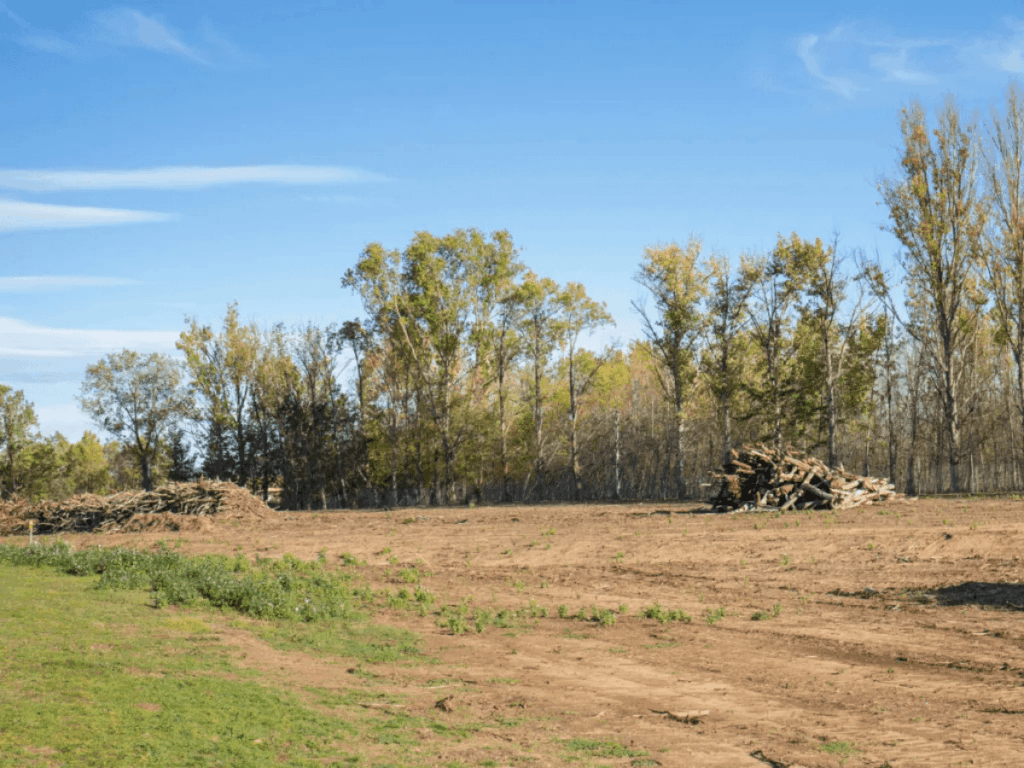
Four siblings, a parcel of cedar and brush outside Bastrop, and nobody willing to make the first call. I watched that standoff drag on for years. Taxes got paid late, a fence line came down, and the back half turned into something you’d need a machete to cross. They just didn’t know who had the authority to do what, and silence felt safer than a fight.
Texas makes inherited land harder to sell than it should be, mostly because of how the title moves after a death. Add a few co-owners, and every problem multiplies. What follows is the walkthrough I give families at the kitchen table after years of buying inherited land and acreage across the state.
Who Inherits Property When There Is No Will in Texas?
Your father’s wishes carry no legal weight if he never wrote them down. I say that gently, and I say it early, because families lose whole seasons arguing over what Dad said at Thanksgiving. Texas law has a chart, and the chart wins every time.
Chapter 201 of the Texas Estates Code sets out who inherits. Two questions drive the answer: was the property community or separate, and are all the children also the surviving spouse’s children? If they are, the surviving spouse gets all the community property. In a blended family, the survivor keeps their own half, and the other half goes to the deceased spouse’s children.
Separate property surprises people. With children in the picture, the surviving spouse gets a life estate in one-third of the land, and the children own the rest. With no children or grandchildren, the spouse takes half the separate real estate, and the other half goes to parents or siblings.
The title doesn’t wait for a judge. Under Section 101.001 of the Estates Code, an intestate estate vests in the heirs the moment the owner dies, still subject to the estate’s debts. Owning a fraction on paper isn’t the same as having a title that a company will insure, though.
That gap is where a determination of heirship under Chapter 202 comes in. The court case has to bring in every named heir, any unknown heirs, and anyone the county deed records show as owning part of the land. Section 202.009 requires the court to appoint an attorney ad litem when an heir’s name or whereabouts are unknown, and that adds time. Simpler files can sometimes be cleared on an affidavit of heirship under Section 203.001. The statute doesn’t demand disinterested witnesses, yet title companies usually want two of them, people who knew the family well and gain nothing from the estate. A longtime neighbor works. Your sister doesn’t.
Watch for the homestead, too. Section 102.005 bars heirs from partitioning the homestead while a surviving spouse still lives there, even when stepchildren own the other half.
Gather marriage and divorce records, death certificates, proof of parentage, and the deed before you call anyone. If an heir died after the owner, that share passed to the heir’s own heirs. Aunt Ruth’s quarter becomes her three kids’ quarter, and four owners turn into six.
How Do Multiple Heirs Inherit and Sell a Jointly Owned Property in Texas?

Most heirs end up as tenants in common, and almost nobody picks that on purpose. Each heir owns an undivided share of the whole property. Nobody owns the north pasture or the barn, and three heirs each own a third of every tree and every tax bill.
Any co-owner can sell their own share to an outsider without asking the rest. Few buyers want a fractional interest in rural acreage, so that move usually hurts the seller as much as the family. Selling the whole property is different because every co-owner signs, and one holdout freezes everything.
Families ask me all the time whether they can charge the brother living in the house. Ask an attorney, because a co-owner generally has a right to occupy property he partly owns. Either way, name the arrangement out loud. What fails is five siblings quietly keeping score for ten years.
When an agreement falls apart, any co-owner can sue for partition. Texas treats that right as close to absolute, and a court can divide the land or order it sold. Since 2017, Chapter 23A of the Property Code, the Uniform Partition of Heirs’ Property Act, has added protection for family land. It applies when relatives hold at least 20 percent of the interests, among other tests. The court generally has to set a fair market value, usually by appraisal. Co-owners who didn’t ask for a sale can then buy out the ones who did at that value.
Can a Texas Probate Court Stop the Sale of an Inherited Home?
Yes, in some cases, and the type of administration decides it. In a dependent administration, the administrator needs court approval before selling estate real estate, and that runs on the court’s calendar. An independent executor with a power of sale can usually sign a deed without asking first. That’s the smoother path Texas is known for.
Courts rarely block a sale out of spite. They pause for process, and missing heirs bring in the ad litem. A will contest puts a cloud on the title that no underwriter will insure around.
Heirs who think an independent executor is dragging things out have a remedy. Under Section 405.001, once two years have passed since letters were first issued, an interested person can ask the court for an accounting and distribution.
Title companies have their own brakes. Underwriters set their own heirship standards, and two companies can read the same facts differently. If your closing stalls, ask the escrow officer for a written list of everything the underwriter needs.
Should You Keep or Sell an Inherited Property in Texas?
Even with a clean title, the family still faces the question no judge will answer. Does anybody actually want this place?
Carrying costs usually settle it, since property taxes come due whether the house sits empty or not. Insurance on a vacant home costs more and covers less, and rural land needs mowing and fence repair.
Put the yearly number on paper before anyone votes. Divide it by the number of owners and show each person a monthly figure. Once a sister in Denver sees what keeping the family place really costs her, the debate usually gets short. Then ask who’ll manage it, because that job always lands on whoever lives closest.
Holding can make sense. A rented house brings in real income, and the Texas Real Estate Research Center’s 2026 forecast puts statewide single-family rents around $2,200 a month.
One middle path gets overlooked. An heir who truly wants the property buys out the others at an appraised value, using a bank loan or a note the siblings carry. The people who want cash get it, and the land stays in the family. Put the terms in writing with a real payment schedule, since handshake buyouts between siblings fail far too often.
What Are the Tax Implications of Inherited Property in Texas?

For deaths in 2026, the federal estate tax exemption is $15 million per person, or $30 million for a married couple using portability. Estates above that pay up to 40 percent, and the estate pays before heirs see anything.
Texas has no inheritance tax and no state estate tax. Only five states tax heirs directly, and Texas isn’t one of them.
The rule that matters most is the step-up in basis under Section 1014 of the tax code. Your basis resets to fair market value on the date of death. Sell soon after the death near that value, and your gain is small or zero.
Get a date-of-death appraisal. Raw acreage takes a land specialist, and appraisers can value a property as of a past date if months have passed. Save the report where the whole family can find it.
Inherited property gets long-term treatment no matter how briefly you held it, so gains fall in the 0, 15, or 20 percent bracket depending on income. Each co-owner reports their own share. The title company issues Form 1099-S, and the sale goes on Form 8949 and Schedule D. Tell escrow early how to split the 1099-S, or one sibling may get reported for the full price.
What Happens to Mortgage Debt on an Inherited House in Texas?
The loan doesn’t go away when the borrower dies. The lien stays on the property, and payments stay due. Heirs usually have to prove they’re successors in interest before the servicer will talk. Federal servicing rules give heirs real protections, and your servicer or attorney can tell you where your loan stands.
If the homeowner’s policy lapses, the servicer buys a force-placed policy that costs more and protects only the lender. Call the agent the same week you call the servicer, and tell the carrier the house is vacant.
Reverse mortgages move faster. The balance comes due after the last borrower dies, and heirs get a limited window to pay it off, sell, or hand over the keys. Ask for that deadline in writing right away.
Most inherited houses with a mortgage get sold, and the loan gets paid off at closing. Track who paid what while the estate was pending. An heir who covered six months of payments may have a claim against the proceeds, and a partition court can weigh it.
What Are Your Options to Sell an Inherited Home in Texas?
Raw land and a three-bedroom house sell to very different buyers, and far fewer people shop for vacant land. If waiting on a land buyer doesn’t suit the family, you can sell your land for cash in Texas and skip the listing altogether.
Listing with a broker is the default for a house in decent shape when nobody’s in a hurry. For land, hire a land broker. A residential agent may never have marketed acreage with a well, a septic system, and a shared easement.
Owner financing can help with rural land, where bank loans for vacant parcels are hard to get. It also keeps the family tied together for years, which is the wrong result for heirs who can’t agree. Auctions move land fast when there’s real competition, like riverfrontage.
A cash buyer handles what the other paths struggle with, such as deferred repairs, title problems, scattered heirs, or a probate deadline. Companies like Atlas Land Buyers buy as-is and work with the title company on heirship curative work. You trade some price for speed and certainty.
Vet any cash buyer like a contractor. Ask for proof of funds and a recent title company reference. Check the contract for an assignment clause and ask who’s really closing. A partition sale through the court belongs at the bottom of your list, since legal fees and a forced sale tend to leave everyone with less.
How Do You Sell an Inherited House Fast in Texas?

Speed on an inherited property almost never depends on the buyer’s money. It depends on curative work, and that starts the day you decide to sell. Order the title commitment early, even before you have a contract, so you learn what the underwriter wants.
Pick one family spokesperson and get signed consent so escrow can talk to that person. Out-of-state heirs aren’t a reason to wait, since title companies handle mail-away closings all the time. Make sure every signer has a current ID and that the name matches the deed records. If the parcel sits in or near Dallas, see how we buy land in Dallas before anyone books a flight home. Heirs with acreage around Katy or the rest of the Gulf Coast can see how we buy land in Houston, too.
One warning. Wire fraud targets closings, and inherited files with several sellers are a favorite. Before you wire or accept a wire, call the title company at a number you looked up yourself.
A listing takes longer than people think. In August 2026, the median Texas home spent 68 days on the market, at a statewide median sale price of $333,611, according to Redfin. Add the weeks a financed buyer needs to close. A direct cash sale cuts the buyer’s side down to almost nothing and leaves the legal work. Atlas Land Buyers and other experienced local buyers will tell you upfront whether your file looks clean or messy.
When Is the Best Time to Sell Inherited Land in Texas?
A family I worked with inherited a brick ranch in Converse in late November and decided to wait for spring. A hailstorm took half the roof before they listed.
Spring brings the most house buyers, since families plan moves around the school year, but land runs on a different clock. Hunting and ranch buyers shop hardest in late summer and fall.
Local numbers matter more than the calendar. In San Antonio, the local board of Realtors reported 3,104 closed sales in August 2026, up 4 percent from a year earlier, with a median price of $299,275. Over the twelve months ending September 2026, a local brokerage counted 10,783 Fort Worth closings at a median of about $337,000. Homes there went under contract in a median of 35 days.
Waiting for a better market is the costliest mistake I see heirs make. Months of taxes, insurance, and upkeep usually outrun any seasonal bump. If the family’s ready and the title is clean, sell when you’re ready.
Do You Need a Real Estate Attorney to Sell Inherited Property in Texas?
Sign a deed before heirship is settled, and you may sell something you don’t fully own. A missing heir who turns up later can still have a claim.
Texas closings run through title companies, and that works well for ordinary sales. Your escrow officer still isn’t your lawyer. Hire a probate or real estate attorney if there’s no will, a missing heir, a fight among owners, a homestead claim, or a partition threat. A probated will with an independent executor and cooperative heirs often needs less, sometimes just a document review.
Bring the death certificate, will, deed, tax statement, loan papers, and your family tree to the first meeting. Ask for the fastest legally sound path to a sellable title and what each option costs. Have the attorney represent the group, with each heir agreeing in writing, so nobody wonders whose side the lawyer’s on.
What Should You Not Fix Before Selling an Inherited House in Texas?
A family near Lubbock paid for a kitchen remodel and then sold for about what the earlier offers had been. The buyer tore that kitchen out within a month.
Renovating an inherited house rarely pays you back, and it costs months. Skip the kitchen, the baths, new floors, and anything needing a permit. Leave the roof and foundation alone if you’re selling to a cash buyer who’s already pricing in condition. A financed retail buyer is different, since lenders get picky about old roofs.
Do the cheap things instead. Haul the trash, mow, turn on the utilities for inspection, and lock it up. On land, clear enough brush that a buyer can walk the line and find the corner markers. A current survey adds real value.
Land buyers ask the same questions every time. Is access deeded? Does the well produce, and was the septic permitted? Who owns the minerals? A seller who can answer those in one email gets taken seriously.
Ready to Sell Your Inherited Land in Texas? Here’s How We Can Help.
For years, I pushed heirs to list with a broker almost every time. I was wrong often enough to change my advice. Gross price and what you actually net drift apart once you add months of holding costs, repairs, commission, and a family that frays with every delay.
We look at the property as it stands and make a written offer with no financing contingency. Your attorney and the title company get our help on whatever heirship work the underwriter needs. You pick the closing date, and nobody has to clean or fix anything. When listing with a good broker makes more sense for your family, we’ll say so.
An heir in Katy called me the week her mother moved into assisted living, with the family acreage still sitting idle. She didn’t need top dollar. She needed one thing off her plate, and we set the closing around her mother’s move-in date.
Frequently Asked Questions
Is an Inheritance Considered Separate Property in Texas?
Yes. Property you inherit is your separate property under Texas law, even if you’re married. Mixing it with community money, like depositing sale proceeds in a joint account, can blur that line. A separate account and clean records protect it.
What Is the Two-Year Rule People Mention with Inherited Property?
No special two-year rule applies to inherited real estate. People usually mean one of two things. The first is the federal home sale exclusion, which depends on how long you lived in the house as your main home, so ask a CPA. The second is the Texas rule letting heirs request an accounting and distribution two years after letters are first issued.
Do All of the Heirs Have to Agree Before the Property Can Be Sold?
For a sale of the whole property, yes. Every co-owner signs. A holdout can’t stop another heir from selling their own share, though. When agreement is impossible, any co-owner can file for partition, and the heirs’ property rules give family members a chance to buy out the heir who wants a sale.
How Much Can You Inherit From Your Parents Before Taxes Are Owed?
For almost every Texas family, nothing is owed at death. Federal estate tax only hits estates above the exemption, and the estate pays it. Texas has no inheritance tax. You may owe capital gains when you sell, measured from the date-of-death value, so a prompt sale usually means little or no gain.
If you’re holding inherited land or a house with siblings or cousins and aren’t sure what comes next, we’re happy to talk it through. Call us, ask questions, and get a written offer if you’d like one to compare against a listing. If selling to us isn’t the right fit, we’ll tell you that too.