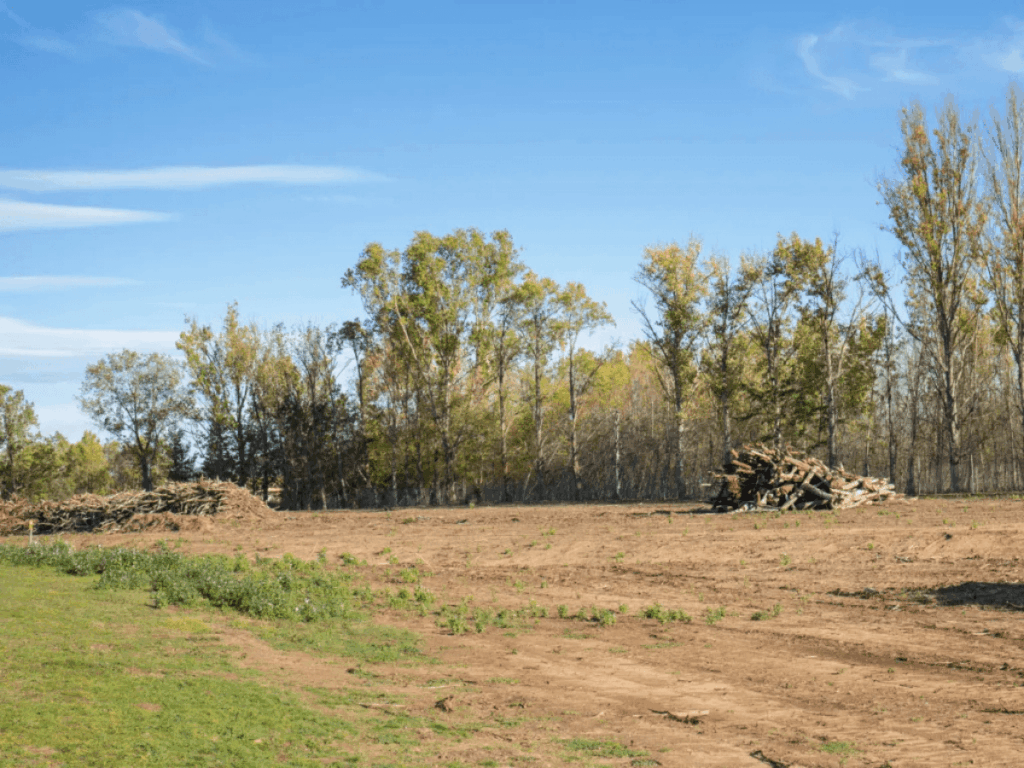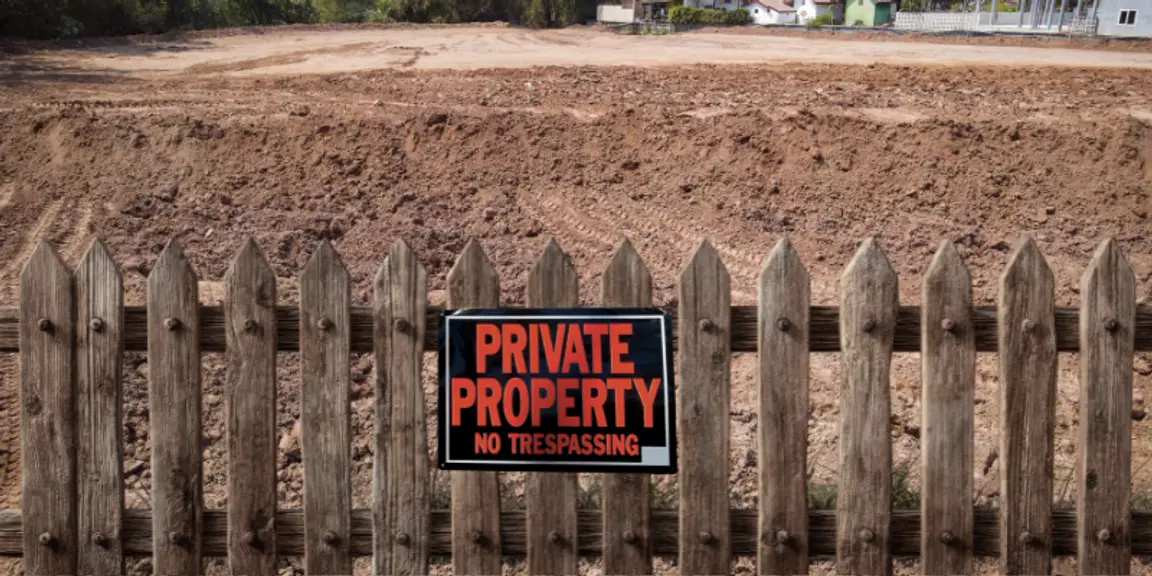

A fence built eighteen inches off the line can cost you a strip of your backyard. Nobody forged anything. Nobody said anything for a decade, either, and in Texas that silence can matter more than the deed. Adverse possession in Texas rewards the person who shows up and uses the land over the owner whose paper title sits in a drawer in another city. Most people find out at the title company, two weeks before closing.
What Is Adverse Possession in Texas?
Ignore a squatter or a neighbor’s creeping fence line long enough and you can lose that ground for good. You won’t get paid for it, and there’s no appeal. Texas law defines adverse possession as an actual and visible appropriation of real property, started and kept up under a claim of right that’s hostile to someone else’s claim.
Several clocks can run at once. Section 16.024 gives a claimant three years when they hold the land under title or color of title. Under Section 16.025, the period is five years if the possessor uses the land, pays the applicable taxes, and claims under a duly registered deed. Bare use with no paperwork falls under Section 16.026, which sets ten years. Sections 16.027 and 16.028 each set twenty-five years.
Acreage limits apply too. Without a title instrument, a ten-year claim tops out at 160 acres including improvements, unless the land actually enclosed is bigger. You can read the full statute in the Civil Practice and Remedies Code on the Texas Legislature’s site.
The clock doesn’t always restart when a new person moves in. Section 16.023 lets one possessor hand their time to the next when there’s privity of estate between them, such as a sale or an inheritance. Permission cuts the other way. If you let a neighbor use your land and you can prove it, their use isn’t hostile, so the clock never starts. A signed permission letter or a timely lawsuit protects your title. If you spot someone using your property, call a Texas real estate attorney.
If you’re dealing with a Texas property affected by a boundary dispute or adverse possession claim, Atlas Land Buyers may be able to make a fair cash offer and help you move on without the hassle of listing.
What Is a Prescriptive Easement in Texas?
Picture a rental lot where the last tenant let the neighbor park a work trailer on the side lot every weekend. Now that neighbor insists the driveway access is his.
A prescriptive easement is a right to use part of someone else’s land, like a driveway or side lot. It comes from years of use instead of a written agreement. The person crossing your property never asks permission. They just keep doing it until the law treats the habit as a right. You’d still own the land, and they could keep using that strip even after you sell.
Would he win? Probably not. Texas has no separate statute for prescriptive easements, so courts borrow the ten-year period from Section 16.026. If he cleared that bar, he’d hold a permanent right to keep crossing.
He’d also face a short list of hurdles. He has to prove use that was adverse, open and notorious, continuous, and exclusive for the full ten-year stretch. Exclusivity is where a lot of these claims fall apart, since the owner’s own use of the same path defeats it. Permission is the other killer. Use that began with the owner’s blessing can’t ripen into a prescriptive right. Texas courts have held that line for decades, and Texas A&M’s agricultural law program walks through a case where the road users actually won.
Prescriptive Easement vs Adverse Possession: What’s the Difference?
They aren’t the same thing, and the gap matters. Mixing the two doctrines up leads sellers to panic over a small problem or shrug at a big one. Once you know which one you’re facing, you’ll know how worried to be.
Adverse possession transfers legal title. A prescriptive easement only grants a use right while you keep ownership, so you’re still paying taxes on land someone else gets to cross. Say your neighbor in Oak Cliff has driven over the corner of your lot to reach his garage for twelve years. If his prescriptive claim succeeds, he keeps driving there forever.
Losing ground to adverse possession in Texas goes further. Title moves. Once that slice comes off your survey and onto his, the tax bill on it follows. To win, he has to show he held the ground as his own, which takes far more than driving across it.
Prescriptive easements run on one ten-year period. Adverse possession claims can run three, five, ten, or twenty-five years, depending on the facts. Either one can stall a closing. We’ve watched a title company put a sale on hold over exactly this kind of mix-up. If a claim turns up on your title search, a current survey and a real estate attorney can sort out which one you’re facing.
If you’re dealing with a property affected by a prescriptive easement or adverse possession claim, contact us for a no-obligation cash offer. We’ll help you explore a straightforward way to sell your property as-is.
How Do You Know Which Rule Applies to Your Property?
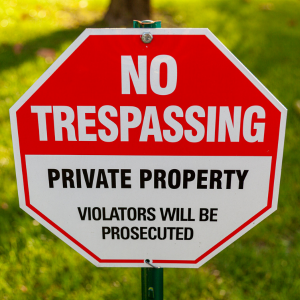
Which clock applies depends on what paper the other side holds. Someone occupying under a flawed but real chain of title is on a short fuse. Texas gives that claimant as little as three years, while a claimant with no paper at all usually needs ten.
Order a current survey, not the copy from your 2011 closing. A title company will usually flag an encroachment, yet it’s reading the survey you hand over. An old survey hides new fences. Ask the surveyor to mark every fence or structure that crosses or hugs your line.
Next, look at what the use is on the ground. Occupation points toward adverse possession, while passage points toward an easement. Prescriptive easements usually don’t show up in the property records, because they’re built by conduct over time. A neighbor who’s cut across your back corner to reach the road for years may be earning a right to keep using that path.
Where the land sits changes the risk too. A vacant tract in East Texas can go months without a visit, while an inner-loop Houston bungalow has people watching every day. If a family property has gone unvisited for years, drive out this month. Walk the fence lines and look for fresh tire tracks or a gate you didn’t put in.
How Can Texas Property Owners Prevent Land-use Claims?
You don’t need a lawyer on retainer to protect your land. Most claims start small, like a fence set a few feet off the line or a neighbor’s garden creeping onto your lot. Adverse possession in Texas can hand that strip to someone who uses it openly, without your permission, for long enough. You stop the clock by showing up and keeping a paper trail. A few simple habits usually cover it.
Do you have to confront your neighbor over a fence? Usually not. A friendly talk and a signed permission letter often settle it, since use you’ve allowed in writing can’t turn into an adverse possession claim in Texas.
Walk your boundaries once a year. Pick a date you’ll remember, maybe the Saturday after Thanksgiving, and check where fences, sheds, and gravel drives really sit. Paying property taxes alone won’t save you. Under the ten-year statute, the possessor doesn’t have to pay taxes at all. Real protection pairs your tax payments with regular inspections, posted signs, and records of how you manage the place.
Post the land, lock the gate, and drive by. If you live out of town, ask a trusted neighbor or property manager to check the place each month and send you dated photos.
A slower market gives absentee owners more time to drift. Texas Realtors reported that the statewide median price slipped 0.4 percent year over year to $333,628 in the third quarter of 2026. That lag leaves more properties sitting empty for a season or two, and that’s when adverse possession in Texas quietly starts running against somebody. If selling becomes the better option, cash land buyers in Dallas and other Texas cities may offer a direct way to sell without the usual listing process.
Where Can You Get Help with Your Texas Property Dispute?

Plenty of owners call a real estate attorney first and brace for court. Litigation isn’t always where it ends, though. When a lawsuit truly is needed, the Texas vehicle is a trespass-to-try-title suit under Property Code Section 22.001. You can read that statute through Texas public law resources.
Your county clerk’s office holds the recorded instruments, and the county appraisal district keeps the tax and mapping history. Pull the deeds and plats from both before you hire a surveyor. A licensed Texas surveyor will use them to stake out where the line actually sits.
Selling is a fair answer too. An heir in Tyler once called us about a house packed with thirty years of belongings. The garage held fishing tackle and boxed Christmas decorations, and nobody could document the back fence that was in dispute. Boundary fights come bundled with estates like that a lot. Cash buyers who handle Texas properties with title clouds and encroachments work differently than a retail listing agent does.
We’d push back on the usual advice to just list it and disclose. A disputed boundary scares off financed buyers, and you’ll carry the costs while the lender waits. A cash land buyers in Houston and the surrounding Texas cities may offer a more direct option for owners dealing with an adverse possession in Texas problem, without the delays of a traditional financed sale.
Frequently Asked Questions
What Counts as Adverse Possession Under Texas Law?
It takes actual, visible occupation of land you don’t hold title to, carried on openly and in a way that’s hostile to the real owner’s claim. Hidden use fails, and so does use with the owner’s permission. Texas courts want possession that would put a reasonable owner on notice that someone else is claiming the ground.
Is There a Seven-year Rule for Adverse Possession in Texas?
No. Texas uses three, five, ten, and twenty-five year limitations periods, and seven isn’t one of them. You may have seen a seven-year figure tied to another state, since some do use it. For Texas property, the periods covered above are the ones that control.
How Long Does Adverse Possession Take in Texas?
It depends on what the claimant holds. Possession under title or color of title gets the shortest period. A registered deed plus tax payments and use gets the next one. Bare occupation with no paperwork takes the ten-year route. The twenty-five-year periods run even against an owner under a legal disability, and they also cover good-faith possession under a recorded deed, even a void one.
What Does It Cost to Fight an Adverse Possession Claim?
There’s no fixed number. A boundary agreement worked out between two neighbors costs a fraction of a contested trespass-to-try-title suit that goes to a jury. Survey work, title research, and attorney hours drive the bill. Before you commit to full litigation, ask a Texas real estate attorney about a flat-fee opinion letter, which can tell you whether the fight is worth it. And if you’d rather sell the land as it sits, an investor can look at it and make an offer you’re free to turn down.
If you’ve got a Texas property with a fence line nobody can explain, heirs who can’t agree, or a lot you haven’t laid eyes on in years, Atlas Land Buyers is glad to talk it through. No pressure, no obligation, and if the right answer is calling a lawyer instead of selling, we’ll tell you that too. Reach out to us at (469) 564-8540.